
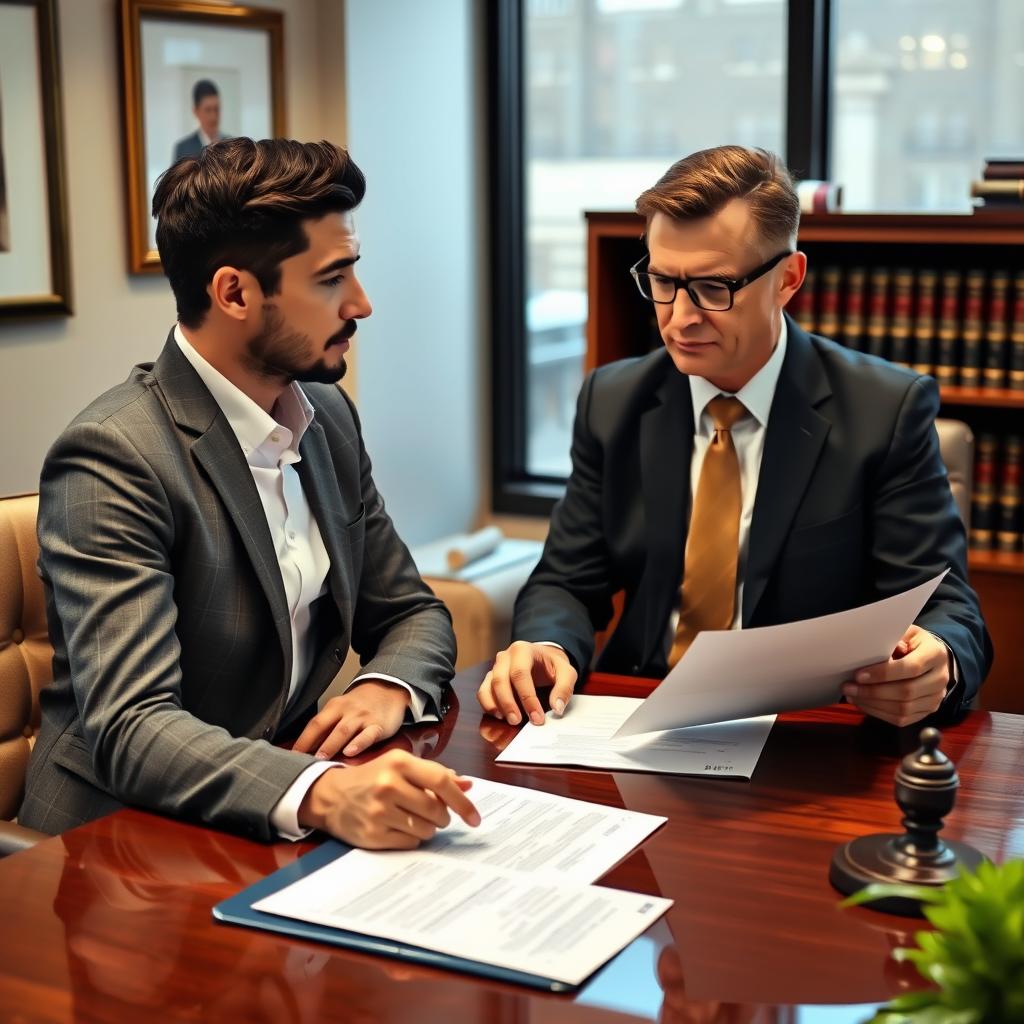
Rehabilitative Alimony Lawyer Near Me
When a marriage ends and one spouse needs financial support to gain the education or training necessary to become self-supporting, Virginia law provides a remedy through rehabilitative alimony. If you are searching for a rehabilitative alimony lawyer near you, Law Offices Of SRIS, P.C. brings extensive experience in Virginia family law matters. Rehabilitative alimony is distinct from permanent spousal support: it is designed to provide temporary assistance for a defined period while the recipient spouse acquires job skills, completes a degree, or otherwise prepares to re-enter the workforce. Virginia courts evaluate requests for rehabilitative alimony under Va. Code § 20-107.1, which sets out the statutory factors the court must consider. Mr. Sris and his Of Counsel represent clients across Virginia in rehabilitative alimony matters, from Fairfax County and Northern Virginia to Richmond, the Shenandoah Valley, and beyond. Understanding whether rehabilitative alimony is appropriate in your case and presenting a compelling argument to the court requires experienced legal guidance. Reach Law Offices Of SRIS, P.C. at (888) 437-7747 to schedule a consultation. Law Offices Of SRIS, P.C. – Advocacy Without Borders.
What Rehabilitative Alimony Means in Virginia
Virginia courts distinguish between several forms of spousal support, and rehabilitative alimony serves a specific purpose: it is time-limited support intended to help a spouse become self-sufficient. Unlike permanent or indefinite alimony, which may be awarded in long-term marriages where a spouse cannot reasonably be expected to become self-supporting, rehabilitative alimony is forward-looking and tied to a concrete plan for education, training, or workforce reentry. Under Va. Code § 20-107.1, the court weighs multiple factors when determining whether to award rehabilitative alimony, including the duration of the marriage, the standard of living established during the marriage, the age and physical condition of each party, and the earning capacity and employment history of the spouse seeking support.
Virginia is an equitable distribution state, meaning marital property is divided fairly but not necessarily equally. Spousal support determinations are made separately from property division, though the property award may affect the support analysis. Rehabilitative alimony cases in Virginia are heard in the Circuit Court, which has exclusive jurisdiction over divorce proceedings. In Northern Virginia, this includes the Fairfax County Circuit Court, the Loudoun County Circuit Court, the Prince William County Circuit Court, and other regional courts. Mr. Sris and his Of Counsel have appeared in Virginia Circuit Courts across the Commonwealth and understand how judges in different circuits approach rehabilitative alimony requests. The spouse seeking support typically must present evidence of a specific rehabilitative plan, including the estimated duration of training, the associated costs, and the projected increase in earning capacity upon completion.
How Mr. Sris and His Of Counsel Handle Rehabilitative Alimony Cases
Every rehabilitative alimony case turns on the specific facts of the marriage and the financial circumstances of each party. Mr. Sris and his Of Counsel begin by evaluating whether rehabilitative alimony is an appropriate remedy in your case and what evidence will be necessary to support or oppose an award. For a spouse seeking rehabilitative support, this may include presenting documentation of educational programs, vocational training costs, and a realistic timeline for workforce reentry. For a spouse facing a request for rehabilitative alimony, the analysis may focus on the other party’s existing earning capacity, prior education, and whether the requested support is genuinely rehabilitative rather than a disguised request for permanent support.
Virginia courts have discretion in setting the amount and duration of rehabilitative alimony, and the statutory factors provide a framework rather than a formula. Mr. Sris and his Of Counsel work with clients to develop a thorough factual record, present evidence of the relevant statutory factors, and advocate for a resolution that addresses both the immediate financial needs and the long-term goal of self-sufficiency. Many rehabilitative alimony matters are resolved through negotiation or mediation, though some proceed to trial when the parties cannot agree. In every case, the firm’s approach is to prepare thoroughly, advise candidly, and advocate effectively on behalf of the client. The timeline for resolving a rehabilitative alimony matter depends on the complexity of the issues, the court’s calendar, and whether the parties are able to reach agreement or require a contested hearing.
About Mr. Sris and His Of Counsel Team
Mr. Sris, Owner and Founder of Law Offices Of SRIS, P.C., founded the firm in 1997 and has built a multi-state practice serving clients in Virginia, Maryland, the District of Columbia, New Jersey, and New York. A former prosecutor, Mr. Sris brings a distinctive perspective to family law matters, including complex spousal support disputes. Mr. Sris testified before the Virginia House Courts of Justice Committee in support of 2019 HB 635 (chief patron Del. David Bulova). His background in accounting and information systems provides additional depth in cases involving financial analysis, business valuation, and income determination — matters that frequently arise in rehabilitative alimony disputes where earning capacity is at issue.
Mr. Sris and his Of Counsel bring extensive combined legal experience to family law matters across Virginia. The firm’s attorneys work collaboratively on rehabilitative alimony cases, drawing on their collective courtroom experience and knowledge of Virginia equitable distribution and spousal support law. Results may vary. cases are assessed individually, and the firm maintains a manageable caseload to ensure that each matter receives thorough preparation. Law Offices Of SRIS, P.C. serves clients from its Fairfax Location and other Virginia locations, and attorneys appear regularly in Circuit Courts throughout the Commonwealth.
Frequently Asked Questions
What is the difference between rehabilitative alimony and permanent alimony in Virginia?
Rehabilitative alimony is time-limited support designed to help a spouse gain education or training to become self-supporting, while permanent alimony continues indefinitely and is reserved for cases where a spouse cannot reasonably achieve self-sufficiency. Under Va. Code § 20-107.1, the court considers factors including the length of the marriage, the standard of living during the marriage, the age and health of each party, and the earning capacity of the spouse seeking support. Rehabilitative alimony requires a specific plan showing how the support will lead to workforce reentry. Permanent alimony, by contrast, is appropriate when a spouse is unlikely to become self-supporting due to age, health, or other circumstances. The distinction is fact-specific, and Virginia courts have discretion in determining which type of support is warranted based on the evidence presented.
How does a Virginia court decide the amount of rehabilitative alimony?
A Virginia court determines the amount of rehabilitative alimony by evaluating the statutory factors in Va. Code § 20-107.1, including the financial resources and needs of each party, the standard of living during the marriage, and the time needed for the recipient spouse to complete training or education. The court examines both parties’ income, earning capacity, and reasonable expenses. A well-documented rehabilitative plan — including the cost of tuition, training programs, and the expected timeline — strengthens a request for support. The paying spouse’s ability to meet their own needs while providing support is also a critical consideration. Because the statute provides a framework rather than a rigid formula, judges have significant discretion, and the quality of the evidence and advocacy can substantially affect the outcome.
Do I need a lawyer for a rehabilitative alimony case in Virginia?
You are not legally required to hire a lawyer for a rehabilitative alimony matter, but experienced legal representation helps ensure that the relevant statutory factors are properly presented and that your financial interests are protected. Virginia spousal support law involves nuanced legal standards, and the outcome of a rehabilitative alimony request can have long-term financial consequences. An attorney can help you gather the necessary evidence, present a coherent rehabilitative plan, and advocate for an appropriate amount and duration of support. If the other party has legal representation, proceeding without counsel may place you at a disadvantage. To discuss your situation, reach Law Offices Of SRIS, P.C. at (888) 437-7747.
Can rehabilitative alimony be modified after it is ordered?
Yes, rehabilitative alimony may be modified in Virginia if there has been a material change in circumstances since the original award. A material change might include a significant increase or decrease in either party’s income, the completion of the rehabilitative plan earlier than expected, or an unanticipated change in the recipient spouse’s ability to become self-supporting. The party seeking modification must file a motion with the court and present evidence of the changed circumstances. Modification is not automatic, and the court will evaluate whether the change is substantial and ongoing. For guidance on your specific situation, reach Law Offices Of SRIS, P.C. at (888) 437-7747.
What should I bring to a consultation about rehabilitative alimony?
For a productive consultation, bring documents showing both parties’ income, including pay stubs, tax returns, and employment records, as well as information about educational or training programs you are considering and their associated costs. Also bring a summary of monthly household expenses, any existing separation agreement, and records of marital assets and debts. If you are the spouse potentially paying support, bring documentation of your own financial obligations and any evidence regarding the other party’s earning capacity. The more complete the financial picture, the better Mr. Sris and his Of Counsel can assess the likely range of outcomes To schedule a consultation, contact Law Offices Of SRIS, P.C. at (888) 437-7747.
How do I find a rehabilitative alimony lawyer near me in Virginia?
When searching for a rehabilitative alimony lawyer near you in Virginia, look for an attorney with extensive experience in Virginia family law and familiarity with the Circuit Court where your case will be heard. Consider the attorney’s knowledge of the statutory factors under Va. Code § 20-107.1, their courtroom experience in your locality, and whether they offer a consultation to discuss your matter. Law Offices Of SRIS, P.C. serves clients across Virginia from its Fairfax Location and represents individuals in rehabilitative alimony cases throughout the Commonwealth. The firm’s attorneys appear regularly in Virginia Circuit Courts and bring decades of collective experience to spousal support disputes. For a consultation, reach Mr. Sris and his Of Counsel at (888) 437-7747.
Related Practice Areas
Explore related family law services from Law Offices Of SRIS, P.C.: Alimony Lawyer Virginia | Indefinite Alimony Lawyer Virginia | Alimony Modification Lawyer Virginia | Divorce Lawyer Virginia | Spousal Support Lawyer Virginia
Virginia Spousal Support Law Resources
For further information on Virginia spousal support law, consult these official resources: Virginia Code § 20-107.1 — Spousal Support Factors | Virginia Judicial System | Virginia Code Title 20 — Domestic Relations
Attorney advertising. Prior results do not guarantee a similar outcome.
Results may vary.
Case results depend on a variety of factors unique to each case.