
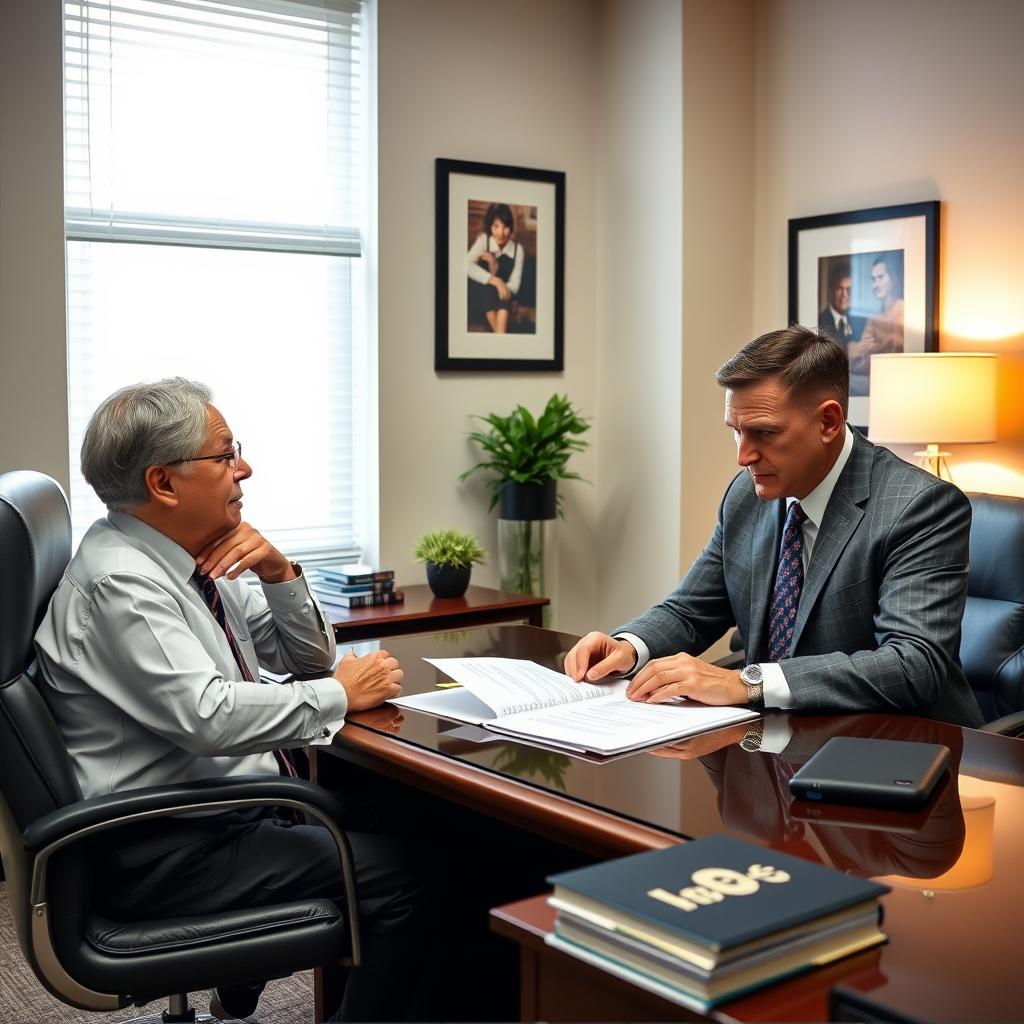
In Arlington County, rehabilitative alimony is designed to support a spouse while they gain education or job skills under Va. Code § 20-107.1. Law Offices Of SRIS, P.C. has 115 documented case results in Arlington County. A Rehabilitative Alimony Lawyer Arlington County can help you present a plan for temporary financial support.
What Is Rehabilitative Alimony Under Virginia Law?
Rehabilitative alimony, also called spousal support, is a court-ordered payment to help a spouse become self-supporting. Under Va. Code § 20-107.1, the court considers 13 factors including the duration of the marriage, each spouse’s earning capacity, and the standard of living during the marriage. Unlike permanent support, rehabilitative alimony has a specific end date tied to the recipient’s completion of education or training. Mr. Sris, who founded the firm in 1997 and personally amended Va. Code § 20-107.3, brings over 120 years of combined firm experience to these cases.
Last verified: April 2026 | Arlington County General District Court | Virginia General Assembly
Rehabilitative Alimony vs. Other Spousal Support Types
Rehabilitative alimony differs from permanent or transitional alimony. A temporary spousal support lawyer Arlington County handles short-term support during divorce proceedings. A transitional alimony lawyer Arlington County deals with support that helps a spouse adjust after a short marriage. Rehabilitative alimony focuses on the recipient’s plan to gain education or job skills to become self-sufficient.
Official Virginia Resources
- Va. Code § 20-107.1 (Spousal Support Factors) — Official Virginia General Assembly
- Arlington County General District Court — Official Court Website
How Arlington County Courts Handle Rehabilitative Alimony
Arlington County Circuit Court handles all spousal support matters. The court requires a specific plan showing how the support will lead to self-sufficiency.
Judges in Arlington County look closely at the recipient’s job history and education level. They want to see a realistic timeline for completing training or education.
- File a motion for spousal support with Arlington County Circuit Court.
- Attend a pendente lite hearing within 21-60 days of filing.
- Present a detailed plan for education or job training with a timeline.
- Provide evidence of enrollment and costs for the program.
- Show how the support amount will cover tuition, books, and living expenses.
- Attend final hearing where the court sets the support duration and amount.
In Arlington County, rehabilitative alimony is governed by Va. Code § 20-107.1 with no fixed penalty — the court sets the amount and duration based on 13 statutory factors.
| Factor | Description | Impact on Support |
|---|---|---|
| Duration of Marriage | Length of the marriage | Longer marriages may support longer rehabilitative periods |
| Earning Capacity | Each spouse’s ability to earn income | Lower capacity may increase support amount |
| Standard of Living | Lifestyle during marriage | Court aims to maintain similar standard during rehabilitation |
| Education/Training Plan | Specific program for self-sufficiency | Realistic plans are more likely to be approved |
Results may vary. Prior results do not guarantee a similar outcome.
Why Choose Law Offices Of SRIS, P.C. for Your Rehabilitative Alimony Case?
Founded in 1997 by former prosecutor Mr. Sris, Law Offices Of SRIS, P.C. brings over 120 years of combined legal experience. Mr. Sris personally amended Va. Code § 20-107.3, the equitable distribution statute, demonstrating deep knowledge of Virginia family law. The firm has 4,739+ documented case results firm-wide with a 93%+ favorable outcome rate. Our Arlington County location at 1655 Fort Myer Dr, Suite 700, Room No. 719, Arlington, VA 22209 serves clients throughout the area.
Samantha Rae Powers, Associate Attorney at Law Offices Of SRIS, P.C. — Licensed in VA, FL. Experienced family law and civil litigator. View Samantha Rae Powers’s Profile
Arlington County Case Results
Law Offices Of SRIS, P.C. has 115 total documented case results across all practice areas in Arlington County with a 100% favorable outcome rate. Firm-wide, the firm has 4,739+ documented case results with a 93%+ favorable outcome rate across VA, MD, NJ, NY, and DC.
Results may vary. Prior results do not guarantee a similar outcome.
Our Arlington County Location
Our Arlington location is near the Arlington County courts at 1425 N. Courthouse Rd, accessible via I-395 and Route 50. We serve Arlington, Crystal City, Rosslyn, Clarendon, Ballston, Pentagon City, and Shirlington.
Looking for a Rehabilitative Alimony Lawyer Arlington County near you? We are close to the Courthouse metro station.
24/7 phone consultations — (888) 437-7747 — meetings by appointment only.
Law Offices Of SRIS, P.C. — Arlington
1655 Fort Myer Dr, Suite 700, Room No. 719, Arlington, VA 22209
Toll-Free: (888) 437-7747 | Local: 703-589-9250
By appointment only.
Frequently Asked Questions About Rehabilitative Alimony in Arlington County
How long does rehabilitative alimony last in Arlington County?
It depends. The court sets a specific duration tied to the recipient’s education or training plan. Typical periods range from 2 to 5 years. The court reviews progress and may extend or terminate support based on the recipient’s efforts.
Can I modify rehabilitative alimony after it is ordered?
Yes. Either party can request modification if there is a material change in circumstances, such as job loss, illness, or completion of training. File a motion with Arlington County Circuit Court to request a modification hearing.
What factors does the court consider for rehabilitative alimony?
The court considers 13 factors under Va. Code § 20-107.1, including the marriage duration, each spouse’s earning capacity, standard of living, and the recipient’s plan for education or training. The court also considers the payor’s ability to pay.
Is rehabilitative alimony taxable?
No. For divorce agreements executed after December 31, 2018, alimony payments are not deductible by the payor and not taxable income to the recipient. This applies to all spousal support under the Tax Cuts and Jobs Act.
What happens if the recipient does not complete their training?
The court may terminate or reduce rehabilitative alimony if the recipient fails to make reasonable progress. The payor can file a motion to modify or terminate support based on the recipient’s lack of effort or changed circumstances.
Last verified: April 2026. Information current as of April 2026. Laws change — contact Law Offices Of SRIS, P.C. at (888) 437-7747 for current guidance.