
Postnup Lawyer Loudoun County, VA
You and your spouse have built a life in Ashburn, Sterling, or Leesburg, but a career shift, inheritance, or business venture has altered your financial picture. You have heard about postnuptial agreements—sometimes called “postnups”—and want to know whether a written agreement can clarify property rights without ending the marriage. A postnuptial agreement is a contract entered into during a marriage, and Virginia’s Premarital Agreement Act (Va. Code § 20‑147 et seq.) governs both prenuptial and postnuptial agreements. Law Offices Of SRIS, P.C. helps Loudoun County couples draft, review, and enforce postnuptial agreements. Mr. Sris and his Of Counsel understand that a well‑crafted postnup can protect separate property, define the treatment of business interests, and reduce the cost and conflict of a possible future divorce. To discuss whether a postnuptial agreement is appropriate for your situation, reach the firm at (888) 437‑7747. Law Offices Of SRIS, P.C. – Advocacy Without Borders.
Your Postnuptial Agreement in Loudoun County
A postnuptial agreement is not a sign of distrust; it is a financial planning tool. In Loudoun County, one of Virginia’s fastest‑growing jurisdictions, many couples own homes in communities like South Riding or Brambleton, hold tech‑industry equity, or operate small businesses. Without an agreement, Virginia’s equitable distribution statute (Va. Code § 20‑107.3) will divide marital property if the marriage ends. A postnup allows you and your spouse to opt out of the default statutory scheme and agree in advance on what is separate, what is marital, and how assets would be divided.
Law Offices Of SRIS, P.C. represents clients throughout Loudoun County, including Ashburn, Leesburg, Purcellville, Hamilton, and Round Hill. The firm’s Ashburn location at 20130 Lakeview Center Plaza, Room 403, Ashburn, VA 20147, is conveniently situated for meetings by appointment. Mr. Sris and his Of Counsel appear regularly before the Loudoun County Circuit Court at 18 East Market Street, Leesburg, where any dispute over a postnuptial agreement would be litigated. The Loudoun County Juvenile and Domestic Relations District Court handles related custody and support issues, but the validity and interpretation of a postnuptial agreement is a matter for the Circuit Court.
How Mr. Sris and His Of Counsel Approach Postnuptial Agreements
Every postnuptial agreement is unique. The firm’s approach begins with a thorough conversation about the assets, income, debts, and goals of both spouses. Mr. Sris and his Of Counsel then analyze whether the proposed agreement is likely to be enforced under Virginia law. A postnuptial agreement, like a prenuptial agreement, is unenforceable if it was not executed voluntarily or if it was unconscionable when it was executed and, before execution, the spouse against whom enforcement is sought did not receive fair and reasonable disclosure of the other spouse’s property or financial obligations (Va. Code § 20‑151). The firm ensures that each agreement is supported by full financial disclosure and independent legal representation when appropriate.
When a couple has already signed a postnuptial agreement and one spouse seeks to challenge it during a divorce, Mr. Sris and his Of Counsel analyze the circumstances surrounding execution—was there duress, fraud, or a failure to disclose material facts? If you are the spouse seeking to uphold the agreement, the firm works to demonstrate voluntary execution and adequate disclosure. In every case, the goal is a fair resolution that honors the parties’ intent and minimizes litigation costs.
What to Expect When You Work with the Firm
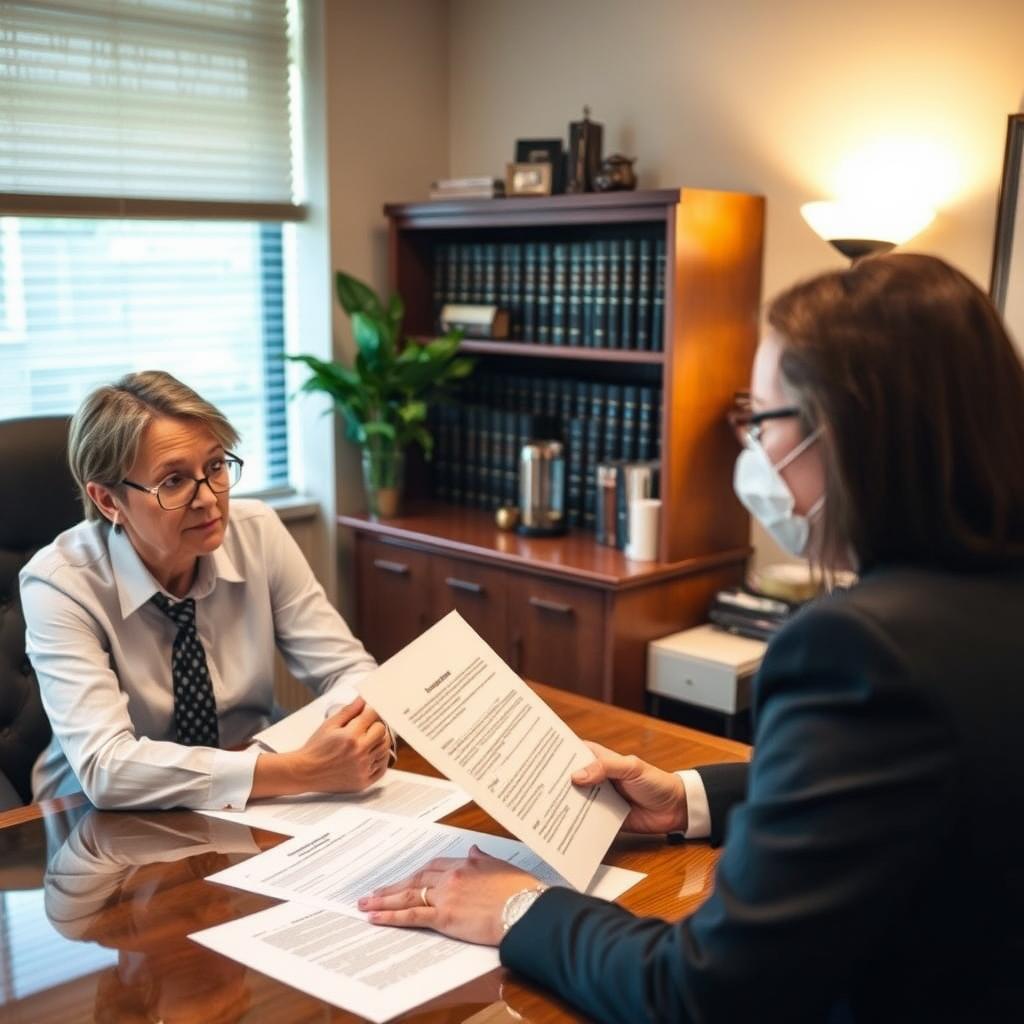
Your first step is a confidential consultation, by appointment, at the Ashburn location or by phone. During that meeting, you describe the property you want to protect, your marital history, and your concerns. Mr. Sris or one of his Of Counsel explains the legal requirements for a valid postnuptial agreement in Virginia and answers your questions. If both spouses are in agreement, the firm can draft an agreement that complies with the Virginia Premarital Agreement Act. If only one spouse is represented, the firm will recommend that the other spouse obtain independent counsel—a critical safeguard for enforceability.
Drafting an agreement typically involves gathering financial documentation, discussing potential issues such as classification of business goodwill or professional licenses, and negotiating terms that both spouses find acceptable. The final document is signed before a notary, and you retain the original. The process is designed to be collaborative when possible, but the firm is prepared to litigate if a challenge arises later.
Enforceability and Common Challenges
Virginia courts scrutinize postnuptial agreements more closely than ordinary commercial contracts because of the fiduciary relationship between spouses. The party seeking to enforce the agreement must show that it was entered into voluntarily and with full knowledge of the other spouse’s finances. If the agreement is patently unfair and one spouse lacked information, a judge may set it aside. However, when the statutory safeguards are followed, a postnuptial agreement can be a powerful tool to avoid protracted litigation over business valuations, tracing of separate property, and spousal support.
Changes in circumstances after the agreement is signed—such as the birth of a child or a serious illness—can also affect enforceability. Mr. Sris and his Of Counsel help clients evaluate whether their existing agreement is still appropriate and, if necessary, negotiate an amendment that reflects the new circumstances.
Meet the Legal Team
Mr. Sris, Owner and Founder of Law Offices Of SRIS, P.C., has been practicing since 1997. A former prosecutor, Mr. Sris brings broad trial experience to family law matters and has testified before the Virginia House Courts of Justice Committee in support of 2019 HB 635 (chief patron Del. David Bulova). He is admitted in Virginia, Maryland, the District of Columbia, New Jersey, and New York.
Alongside Mr. Sris, a team of experienced Of Counsel attorneys contributes to the firm’s family law practice. Together, Mr. Sris and his Of Counsel bring over 120 years of combined legal experience and have achieved 4,739+ documented firm-wide results. Results may vary. The firm’s collective experience includes handling complex property division, business valuation issues, and contested enforcement proceedings before the Loudoun County Circuit Court.
Frequently Asked Questions
What is a postnuptial agreement in Virginia?
A postnuptial agreement is a contract between spouses, made during marriage, that defines property rights, spousal support obligations, and other financial matters in the event of divorce or death. In Virginia, postnuptial agreements are governed by the Premarital Agreement Act, Va. Code § 20‑147 et seq. The agreement can address classification of assets as marital or separate, division of real estate and retirement accounts, and waiver of spousal support, provided the agreement is entered into voluntarily and with adequate financial disclosure.
Is a postnuptial agreement enforceable in Loudoun County?
Yes, a postnuptial agreement is enforceable if it meets the statutory requirements of voluntary execution and fair disclosure. Loudoun County Circuit Court judges examine the circumstances surrounding the agreement’s signing. If one spouse was pressured, or if material financial information was concealed, the court may set the agreement aside. Working with an experienced attorney who understands Virginia’s enforceability standards helps ensure the agreement will be upheld.
Do both spouses need their own lawyer for a postnup in Virginia?
Virginia law does not mandate separate attorneys, but having independent representation is a key factor courts consider when determining whether an agreement was voluntary and informed. When Law Offices Of SRIS, P.C. represents one spouse, the firm strongly encourages the other spouse to retain independent counsel. This practice significantly reduces the chance that a later challenge will succeed.
What can a postnuptial agreement cover?
A postnuptial agreement can cover nearly all financial aspects of the marriage, including classification of property, division of assets, spousal support, and responsibility for debts. It cannot address child custody, visitation, or child support—those issues remain subject to court determination based on the child’s best interests at the time of any divorce. India is not a signatory to the 1980 Hague Convention on Civil Aspects of International Child Abduction. Businesses, intellectual property, retirement accounts, and future income are common subjects of postnuptial agreements.
How long does it take to prepare a postnuptial agreement in Loudoun County?
The timeline depends on the complexity of the assets and the level of cooperation between spouses. A straightforward agreement involving few assets can be drafted in a matter of weeks, while a more complex arrangement—such as one involving a closely held business or significant investment portfolios—may take several months. Mr. Sris and his Of Counsel work efficiently while ensuring that all legal requirements are satisfied.
Can a postnuptial agreement be modified or revoked?
Yes, a postnuptial agreement can be amended or revoked by a subsequent written agreement signed by both spouses. Verbal modifications are not recognized. If you want to change the terms of your existing agreement, you should consult an attorney to draft an amendment that follows the same formalities as the original.
What is the difference between a prenuptial and a postnuptial agreement?
A prenuptial agreement is signed before marriage; a postnuptial agreement is signed after the marriage has taken place. Both are governed by the same Virginia statute, but the timing affects the fiduciary duties owed between the spouses. Postnuptial agreements, because they involve already‑existing marital rights, are sometimes scrutinized more closely by courts.
What if my spouse challenges our postnuptial agreement during a divorce?
If your spouse challenges the validity of a postnuptial agreement, the court will evaluate whether the agreement was executed voluntarily and whether the challenging spouse had a fair opportunity to know the other’s financial circumstances. Law Offices Of SRIS, P.C. represents clients in enforcement and challenge proceedings, presenting evidence of the circumstances surrounding the signing and the adequacy of the disclosures made.
Can a postnuptial agreement protect assets from creditors?
A postnuptial agreement primarily governs the parties’ rights between themselves; it does not necessarily shield assets from third‑party creditors. Virginia law provides certain protections, such as tenancy by the entirety for jointly owned real estate, but a postnuptial agreement alone is not a substitute for asset‑protection planning that addresses creditor claims.
How much does a postnuptial agreement cost?
Fees vary depending on the complexity of the estate, whether both spouses are in agreement, and the amount of negotiation required. Law Offices Of SRIS, P.C. Discusses fees during the initial consultation and offers payment plans. For specific fee information related to your situation, call (888) 437‑7747 to schedule a consultation.
Request a Consultation
If you are considering a postnuptial agreement in Loudoun County—whether you want to draft a new agreement, amend an existing one, or challenge an agreement during a divorce—contact Law Offices Of SRIS, P.C. The Ashburn location is open by appointment Monday through Friday, and phones are answered 24 hours a day at (888) 437‑7747. To schedule a confidential consultation, call the firm or use the contact form on this website.
For a full statutory analysis of Virginia’s Premarital Agreement Act, see our comprehensive guide at srislawyer.com.
Ashburn Location
20130 Lakeview Center Plaza, Room 403
Ashburn, VA 20147
(888) 437‑7747
Attorney advertising. Prior results do not guarantee a similar outcome. Results may vary. Case results depend on a variety of factors unique to each case.