
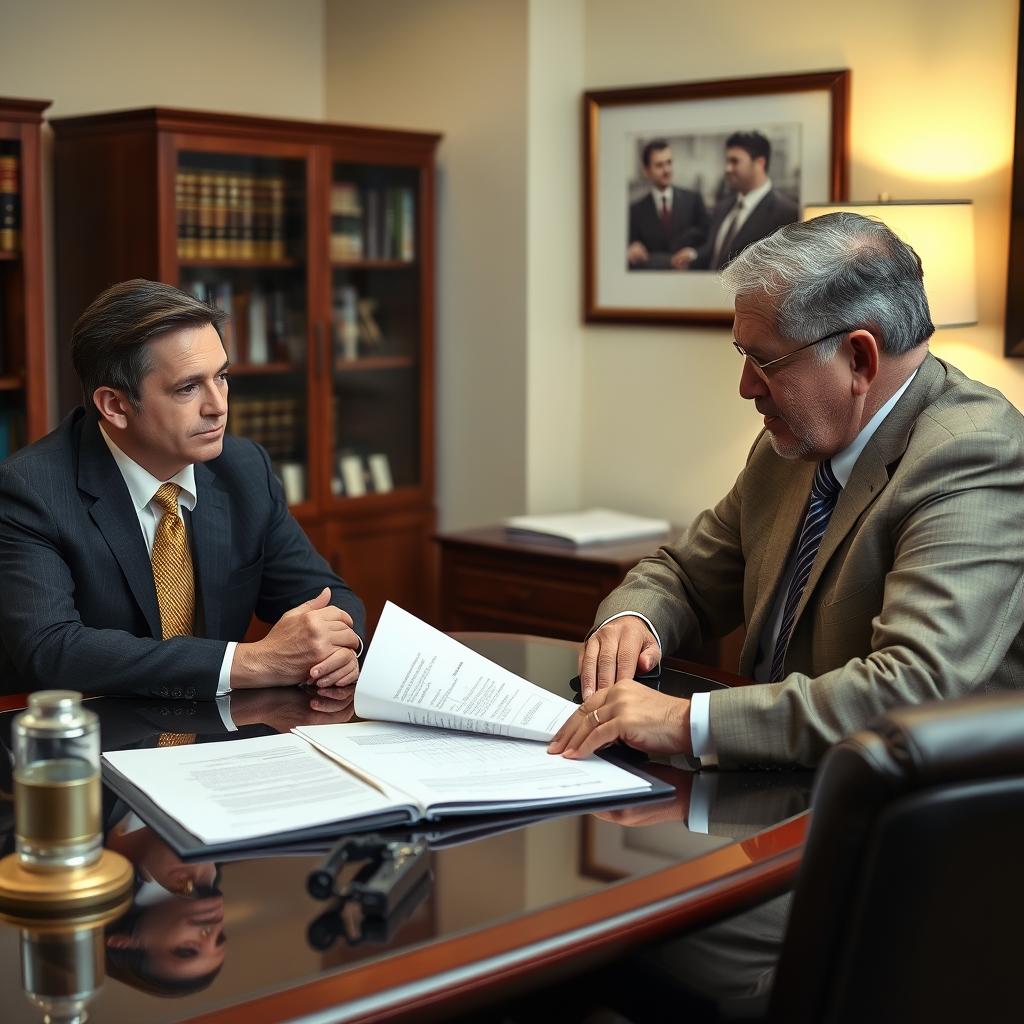
Paternity Dispute Lawyer Arlington County, VA
When a parent in Arlington County needs to resolve a paternity dispute, the path forward can feel uncertain. A mother in Ballston may need to establish legal paternity to secure child support, while a father in Crystal City may question whether he is the biological parent of a child and seek to clarify his rights and obligations. In either situation, having an experienced family law attorney from Law Offices Of SRIS, P.C. by your side can help you navigate the legal process. Reach our Arlington location at (703) 589-9250 or toll‑free at (888) 437‑7747 to schedule a consultation. Law Offices Of SRIS, P.C. – Advocacy Without Borders.
How a Paternity Dispute Lawyer Helps
Paternity disputes turn on both scientific evidence and legal standards. An attorney concentrates on building the strong case for your side—whether you are seeking to establish paternity to obtain child support and custody rights, or you are challenging paternity to avoid obligations that should not rest with you. In northern Virginia, DNA testing is often the central piece of evidence, but the rules governing admissibility, chain of custody, and the weight given to test results can be critical. An experienced lawyer knows how to frame a petition to disestablish paternity when a prior acknowledgment was signed under duress, fraud, or material mistake of fact, and how to present the evidence to the Arlington County Juvenile and Domestic Relations District Court or the Arlington County Circuit Court, depending on whether the dispute arises within a divorce or as a standalone matter.
Beyond the courtroom, an attorney can negotiate parenting plans, child support agreements, and voluntary acknowledgements that avoid litigation altogether. Many paternity matters in Arlington County are resolved through negotiation or mediation once the biological relationship is confirmed. Law Offices Of SRIS, P.C. brings decades of family law experience to these discussions, guiding clients toward solutions that serve the best interests of the child while protecting each party’s rights.
What to Expect in a Virginia Paternity Case
Virginia paternity proceedings are governed primarily by Va. Code § 20‑49.1 et seq. The Arlington County Juvenile and Domestic Relations District Court handles cases involving child support, custody, or visitation when a divorce is not pending. If a paternity question arises during a divorce, the Arlington County Circuit Court addresses it within the equitable distribution and support determinations. Because the standard of proof and the evidence rules can vary depending on the court, it is important to work with an attorney familiar with both forums.
The process typically begins with a petition to establish or disestablish parentage. The court may order genetic testing for the child, the mother, and the alleged father. If testing confirms paternity, the court enters an order that formalizes the legal father‑child relationship. When the petition seeks to disestablish paternity—for example, after an acknowledgment of paternity has been signed—the moving party must show grounds such as fraud, duress, or material mistake of fact, and the matter must be brought within the time allowed under Virginia law. The timeline for a case depends on court scheduling, the availability of DNA testing, and whether the matter is contested; however, many paternity disputes in Arlington County are resolved after genetic testing results become available.
Legal Consequences of Establishing or Disputing Paternity
A court finding of paternity has lasting effects on all parties. For the child, it secures the right to financial support from both parents and may open the door to inheritance, Social Security benefits, and health insurance coverage. For the father, paternity brings a legal obligation to pay child support in accordance with Virginia’s guidelines (Va. Code § 20‑108.1) and can also establish the right to seek custody or visitation. For the mother, establishing paternity creates a clear path to enforcing child support and can simplify future decisions about the child’s upbringing.
Conversely, when a man successfully disproves paternity, the court can terminate his child support obligation and other parental responsibilities, provided the disestablishment occurs within the statutory deadlines and does not harm the child’s welfare. Virginia courts always weigh the best interests of the child, so the outcome is not automatic. An attorney can help you present the evidence necessary to achieve a fair result while advocating for the child’s well‑being.
Attorney Credentials
Mr. Sris, Owner and Founder of Law Offices Of SRIS, P.C., has practiced family law since founding the firm in 1997. A former prosecutor, Mr. Sris brings a disciplined, evidence‑focused approach to paternity disputes. He is admitted to practice in Virginia, Maryland, the District of Columbia, New Jersey, and New York. Mr. Sris and his Of Counsel team draw on over 120 years of combined legal experience and have achieved 4,739+ documented firm-wide results. Results may vary.
Frequently Asked Questions
What is a paternity dispute in Virginia?
A paternity dispute in Virginia is a legal disagreement over who is the biological father of a child, and it can significantly affect child support, custody, and inheritance rights. When the biological link is unclear or contested, either parent may petition the court to establish or disestablish paternity. The case is guided by Va. Code § 20‑49.1 et seq. And typically involves DNA testing, court filings, and, if necessary, a hearing before the Arlington County Juvenile and Domestic Relations District Court or the Circuit Court. Resolving the dispute early helps families move forward with clarity and stability.
How can a paternity lawyer help me in Arlington County?
An experienced paternity lawyer can manage every stage of the case—from obtaining a court‑ordered DNA test to presenting evidence that supports or challenges paternity—and can represent you in negotiations or at trial. The lawyer ensures that genetic testing follows proper procedures, prepares petitions and responses, and advocates for your rights regarding child support, custody, and visitation. If you are disputing a prior acknowledgment, the attorney can evaluate whether grounds for disestablishment exist under Virginia law and guide you through the process before the appropriate court in Arlington County.
What are the legal consequences of establishing paternity?
Establishing paternity creates a legal father‑child relationship, obligating the father to provide financial support and granting him the right to seek custody or visitation, while also securing the child’s access to inheritance, health insurance, and government benefits. Child support is calculated under Virginia’s guidelines based on the parents’ combined gross income. A paternity order also enables the father to participate in important decisions about the child’s education, healthcare, and religious upbringing. For these reasons, the process carries lasting implications and should be approached with careful legal guidance.
Can a father dispute paternity if he signed the birth certificate?
Yes, a man who signed an acknowledgment of paternity may later challenge it if he can prove fraud, duress, or a material mistake of fact, and he acts within the time limits set by Virginia law. Virginia allows a person to bring a petition to rescind or disestablish paternity under certain circumstances, but the window for doing so is limited. The court will consider the child’s best interests and the reliability of the evidence. An attorney can determine whether your situation meets the statutory requirements and can file the necessary motion in the Arlington County Juvenile and Domestic Relations District Court or Circuit Court.
Do I need a lawyer for a paternity case in Virginia?
You are not legally required to have a lawyer, but paternity cases intertwine complex legal standards, scientific evidence, and high‑stakes family consequences, making skilled legal representation highly advisable. Mistakes in filing, missing deadlines, or mishandling DNA evidence can lead to outcomes that are difficult to reverse. A lawyer keeps the process on track, protects your rights, and works toward a resolution that accounts for both your interests and the child’s long‑term welfare. To discuss your specific situation, reach Law Offices Of SRIS, P.C. at (888) 437‑7747.
How long does a paternity case take in Arlington County?
The length of a paternity case varies based on court scheduling, the need for genetic testing, and whether the matter is contested, but many cases are resolved within several months after testing is completed. Uncontested matters, where all parties agree after test results, can move more quickly. Contested cases that require hearings, discovery, or the resolution of related custody and support issues may take longer. An attorney can give you a better estimate once the facts of your case are known and the appropriate court’s calendar is considered.
Additional Family Law Resources: Family Law Lawyer Fairfax County · Family Law Lawyer Prince William County · Family Law Lawyer Loudoun County · Family Law Lawyer Stafford County
Virginia Legal Resources: Virginia Code Title 20 (Domestic Relations) · Arlington County Circuit Court · Arlington County J&DR District Court
Reviewed by Mr. Sris, Owner and Founder · Admitted in Virginia, Maryland, the District of Columbia, New Jersey, and New York · Practicing since 1997
Law Offices Of SRIS, P.C. · 1655 Fort Myer Dr, Suite 700, Room 719, Arlington, VA 22209 · By appointment. Call (703) 589‑9250 or toll‑free (888) 437‑7747 to schedule a consultation.
Attorney advertising. Prior results do not guarantee a similar outcome. Results may vary. Case results depend on a variety of factors unique to each case. Attorney responsible for this advertising: Mr. Sris.