
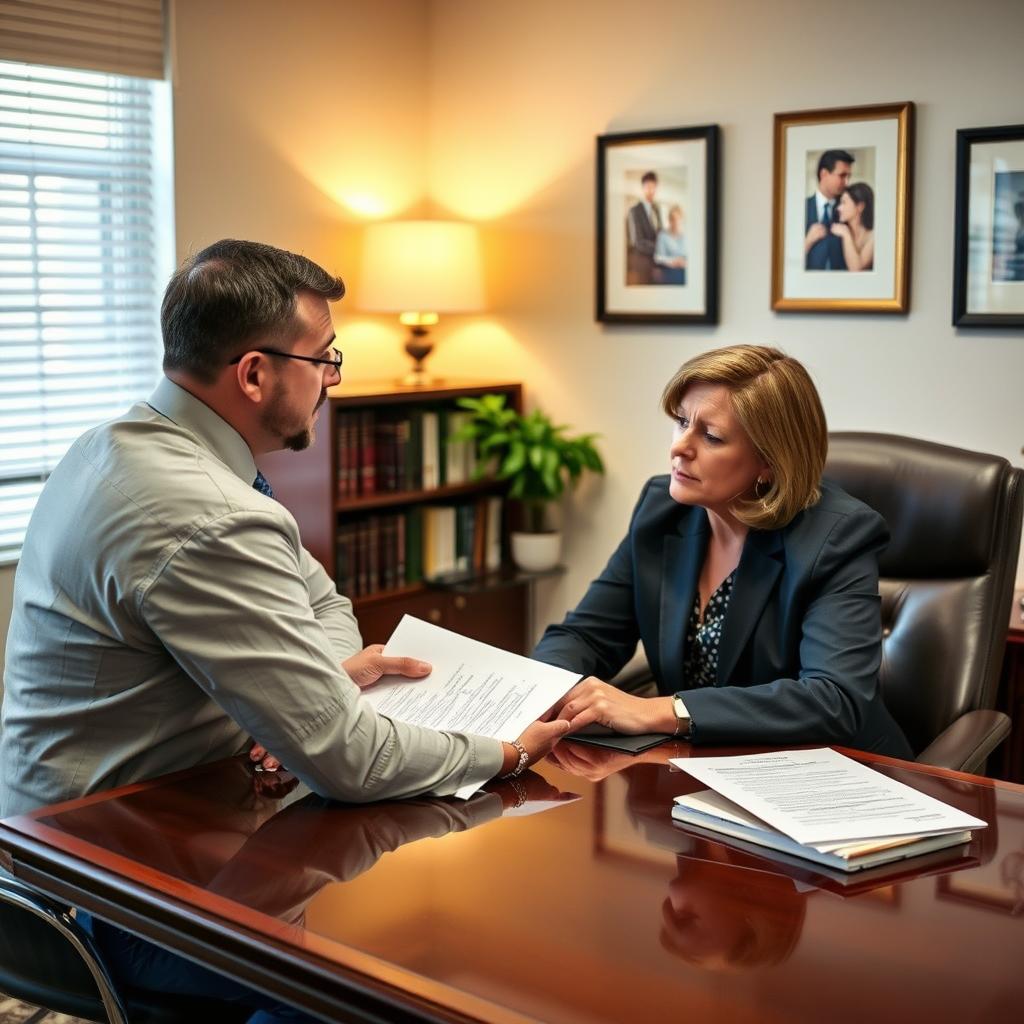
Marriage Annulment Lawyer Alexandria, VA
An annulment is not a divorce. While a divorce ends a valid marriage, an annulment declares that the marriage was legally invalid from the start. In Virginia, annulment proceedings are governed by Va. Code § 20-89.1, and they are filed in the Circuit Court of the city or county where either spouse resides. For residents of Alexandria, the Alexandria Circuit Court—located at 520 King Street, 2nd Floor, Alexandria, VA 22320—hears annulment petitions. Mr. Sris and his Of Counsel appear regularly in Alexandria courts, drawing on over 120 years of combined legal experience and 4,739+ documented firm-wide results to guide individuals through the annulment process. Results may vary. To discuss whether an annulment may be appropriate for your circumstances, reach Law Offices Of SRIS, P.C. at (888) 437-7747. Law Offices Of SRIS, P.C. – Advocacy Without Borders.
What Marriage Annulment Means in Alexandria, Virginia
Annulment cases in Alexandria are filed in the Alexandria Circuit Court, which has jurisdiction over all suits for annulment of marriage under Virginia law. The Virginia Code requires that before an annulment suit can be commenced, at least one party must be an actual bona fide resident and domiciliary of the Commonwealth for six months immediately preceding the filing. (Va. Code § 20-97.) This residency requirement applies regardless of where the marriage took place. The Alexandria Circuit Court, located in the Eighteenth Judicial District, is the venue where the petition is heard and where any related matters—such as spousal support or property division—may be addressed. If minor children are involved, the Alexandria Juvenile and Domestic Relations District Court may handle separate custody and support issues.
The legal effect of an annulment is that the marriage is treated as though it never existed, which can have significant implications for property rights, inheritance, and the legitimacy of children. Virginia law recognizes several grounds for annulment, including bigamy, mental incapacity at the time of marriage, fraud or duress, and underage marriage without proper consent. The specific grounds must be pled and proven in the Circuit Court. The court will examine evidence such as witness testimony, documentary records, and expert reports to determine whether the marriage was void or voidable from its inception. Because the stakes are high—particularly for individuals with significant assets or who have children—it is essential to have counsel who understands both the statutory framework and the procedural realities of the Alexandria courts.
Mr. Sris and his Of Counsel have handled family law matters in Alexandria and throughout Northern Virginia for decades. They understand how the Alexandria Circuit Court handles annulment dockets and can guide clients through each stage of the proceeding, from initial case assessment to final decree.
How Mr. Sris and His Of Counsel Handle Marriage Annulment Cases
Every annulment case begins with a thorough evaluation of whether the facts support a valid annulment ground under Va. Code § 20-89.1. Because annulment is a distinct remedy from divorce, the court requires clear and convincing evidence that the marriage was legally defective when it was entered into. Mr. Sris and his Of Counsel work closely with clients to identify the applicable ground, gather the necessary evidence, and prepare the pleadings.
The process typically starts with a complaint for annulment filed in the Alexandria Circuit Court. If the parties can agree on the annulment and any ancillary issues, the proceeding may be uncontested and resolved relatively quickly. If the respondent contests the annulment, the court will hold an evidentiary hearing. In all cases, the court must be satisfied that the statutory requirements are met. Mr. Sris and his Of Counsel have experience presenting annulment cases in Virginia Circuit Courts, including the Alexandria Circuit Court, and can advocate effectively whether the matter is settled or litigated.
Importantly, an annulment differs from a divorce in its effect on property and support. In an annulment, there is no “marital property” in the traditional sense, and the court’s authority to divide property or award spousal support is limited. Mr. Sris and his Of Counsel help clients understand these distinctions and, when appropriate, work to protect assets or secure support through other legal avenues.
About Mr. Sris and His Of Counsel Team
Mr. Sris, Owner and Founder of Law Offices Of SRIS, P.C., founded the firm in 1997. A former prosecutor, he has extensive experience in both family law and criminal defense—a background that provides valuable perspective when annulment cases involve allegations of fraud or duress. Mr. Sris is admitted in Virginia, Maryland, the District of Columbia, New Jersey, and New York. He testified before the Virginia House Courts of Justice Committee in support of 2019 HB 635 (chief patron Del. David Bulova). Mr. Sris is supported by a team of Of Counsel attorneys who bring substantial trial experience and thorough knowledge of Virginia family law. Together, Mr. Sris and his Of Counsel bring over 120 years of combined legal experience and 4,739+ documented firm-wide results. Results may vary.
Frequently Asked Questions
What is the difference between an annulment and a divorce in Virginia?
An annulment declares a marriage void from the beginning, while a divorce ends a valid marriage. In Virginia, an annulment is granted only when the marriage was legally invalid at its inception—for example, due to bigamy, fraud, or mental incapacity. A divorce, by contrast, acknowledges that a valid marriage existed but has irretrievably broken down. The practical consequences differ as well: an annulment generally does not divide “marital property” or provide for spousal support in the same way a divorce does. Each ground for annulment must be proven under Va. Code § 20-89.1. For guidance on which remedy is appropriate for your situation, reach Law Offices Of SRIS, P.C. at (888) 437-7747.
What are the grounds for marriage annulment in Virginia?
Virginia law permits annulment on several specific grounds, including bigamy, mental incapacity at the time of marriage, fraud, duress, and underage marriage without proper consent. These grounds are governed by Va. Code § 20-89.1. A court will not annul a marriage simply because the parties regret the union or have separated shortly after the ceremony. The petitioning spouse must present evidence establishing one of the statutory grounds. Because the burden of proof is on the petitioner, it is essential to have experienced counsel who can gather and present the necessary evidence. Mr. Sris and his Of Counsel evaluate each case carefully to determine whether annulment is a viable option.
How long do I have to file for an annulment in Virginia?
The time frame for filing an annulment depends on the ground asserted, but Virginia law does not have a single, across-the-board statute of limitations for annulment actions. Some grounds, such as fraud, may be subject to equitable defenses if the petitioner delayed unreasonably after discovering the fraud. In all cases, the petitioner must have been a resident and domiciliary of Virginia for at least six months before filing. (Va. Code § 20-97.) Because the applicable time limits can vary, it is important to consult with an attorney promptly. To discuss the details of your matter, contact Law Offices Of SRIS, P.C. at (888) 437-7747.
Do I need a lawyer for an annulment in Alexandria?
While you are not legally required to have an attorney, an annulment proceeding involves complex legal issues that can affect your property, your parental rights, and your legal status. Proving an annulment ground often requires presenting specific evidence and making legal arguments that the Circuit Court must accept under Va. Code § 20-89.1. Without counsel, you risk having your petition denied or receiving an outcome that does not adequately protect your interests. Mr. Sris and his Of Counsel have extensive experience handling family law matters in Alexandria courts and can advocate on your behalf throughout the proceeding.
What happens to property and children after an annulment in Virginia?
Because an annulment treats the marriage as if it never existed, the court generally does not divide property under equitable distribution principles that apply in divorce. However, the court may still make orders concerning the custody and support of any children born of the purported marriage. Child custody and support are determined based on the best interests of the child, consistent with Va. Code § 20-124.3, regardless of whether the parents’ marriage is annulled or divorced. If the parties acquired property together, they may need to resolve ownership disputes through separate civil proceedings. For a consultation, reach Mr. Sris and his Of Counsel at (888) 437-7747.
Can a marriage be annulled if we were married in another state or country?
Yes, a marriage that took place in another jurisdiction can be annulled in Virginia if at least one party meets the Virginia residency requirement. Under the doctrine of lex loci celebrationis, a marriage validly contracted in the place of celebration is presumptively recognized in Virginia. However, if the marriage was void or voidable under the law of the jurisdiction where it occurred, that defect may support an annulment in a Virginia court. The Alexandria Circuit Court will apply Virginia annulment law to determine whether the marriage should be declared void from its inception. To discuss your specific situation, reach Law Offices Of SRIS, P.C. at (888) 437-7747.
Related family law guidance for nearby communities: Fairfax County Family Law Lawyer · Prince William County Family Law Lawyer · Manassas Family Law Lawyer · Arlington Family Law Lawyer
Primary legal sources: Virginia Code Title 20 (Domestic Relations) · Alexandria Circuit Court
Attorney advertising. Prior results do not guarantee a similar outcome. Case results depend on a variety of factors unique to each case. Results may vary.