
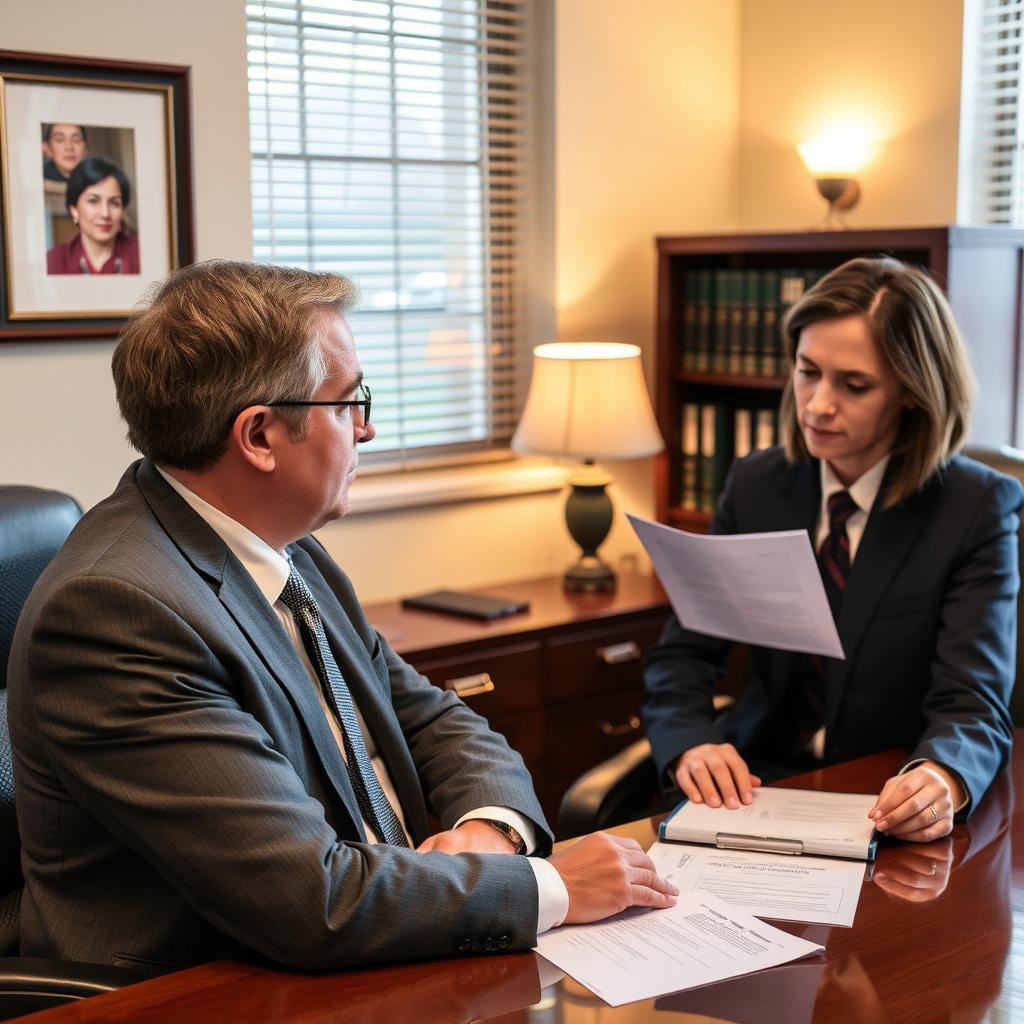
Cruelty Divorce Lawyer Falls Church, VA
When a marriage is marked by conduct that causes physical harm or a reasonable fear of bodily injury, Virginia law allows a spouse to seek a divorce on the ground of cruelty. In Falls Church, an independent city within the Seventeenth Judicial District, divorce matters are heard in the Falls Church Circuit Court. Mr. Sris and his Of Counsel represent clients throughout Northern Virginia in family law cases, including those involving allegations of cruelty. A cruelty-based divorce is a fault ground under Va. Code § 20‑91 — it does not require the separation period that a no‑fault divorce demands. Filing for a cruelty divorce is a serious step that raises questions about evidence, the impact on property division, and the effect on child‑related decisions. Law Offices Of SRIS, P.C. has served clients in Virginia since 1997, and Mr. Sris and his Of Counsel bring decades of combined experience to the Falls Church community. Whether you are considering filing a complaint based on cruelty or you need to respond to cruelty allegations, understanding what the court expects and how the process works is essential. For a private consultation, call (888) 437‑7747. Law Offices Of SRIS, P.C. — Advocacy Without Borders.
What Cruelty Divorce Means in Falls Church
Virginia Code § 20‑91 identifies cruelty and reasonable apprehension of bodily hurt as one of the fault grounds for an absolute divorce. The statute encompasses both physical violence and credible threats of harm. A spouse does not need to have actually suffered injury; a well‑founded fear of future physical mistreatment can be enough. The Falls Church Circuit Court, located on Park Avenue, has exclusive original jurisdiction over divorce proceedings, while the Falls Church Juvenile and Domestic Relations District Court handles related custody, visitation, and support matters that may arise when cruelty is alleged.
Because a cruelty ground does not require a waiting period, a spouse who can prove cruelty may move directly to finalize the divorce. This differs from Virginia’s no‑fault separation grounds, which mandate either six months or one year of living apart. Alleging cruelty, however, places the burden of proof on the accusing spouse. The case often involves witness testimony, medical records, police reports, and other documentation. Even when cruelty is not the primary ground for divorce, an allegation can influence how the court resolves spousal support, equitable distribution of marital property, and the trusted‑interests analysis that governs child custody. For residents of Falls Church and the surrounding area, navigating a cruelty‑based divorce requires familiarity with both the statutory requirements and the practices of the local courts.
How Mr. Sris and His Of Counsel Handle Cruelty Divorce Cases
When a client comes to Law Offices Of SRIS, P.C. with a divorce matter involving cruelty, Mr. Sris and his Of Counsel begin by evaluating the specific facts under the controlling Virginia statutes. They review the available evidence — including any documentation of threats, injuries, or law‑enforcement involvement — and assess how the allegations are likely to be treated by the court. If the client is the party alleging cruelty, the focus is on assembling a record that meets the statutory threshold without unnecessarily escalating conflict. If the client is the party defending against a cruelty claim, the approach centers on challenging the sufficiency of the evidence and presenting a full picture of the marriage.
Every cruelty‑based divorce is fact‑sensitive, and the litigation may require pretrial motions, discovery, and hearings. Mr. Sris and his Of Counsel work to prepare clients for each stage, explaining what to expect from the court’s scheduling and the types of testimony that may be heard. Because a cruelty finding can affect property awards and parenting arrangements, the strategy often includes input on settlement options and mediation where appropriate. The goal is to protect the client’s interests while working toward a resolution that the law supports. Throughout the process, Mr. Sris and his Of Counsel draw on their collective experience in Virginia family law to provide steady, informed guidance.
About Mr. Sris and His Of Counsel Team
Mr. Sris, Owner and Founder of Law Offices Of SRIS, P.C., has practiced in Virginia since 1997. He is a former prosecutor whose background in criminal trial work gives him a practical understanding of how evidence is tested and how courts evaluate credibility — skills that are directly relevant to contested divorce cases where cruelty is at issue. Mr. Sris is admitted to practice in Virginia, Maryland, the District of Columbia, New Jersey, and New York. He testified before the Virginia House Courts of Justice Committee in support of 2019 HB 635 (chief patron Del. David Bulova), a bill that refined the equitable‑distribution provisions of the Virginia Code.
Mr. Sris is joined by a team of Of Counsel professionals who concentrate their work in the areas relevant to family law, including trial advocacy and property division. Mr. Sris and his Of Counsel bring over 120 years of combined legal experience. Results may vary. They have documented 4,739+ case results across all practice areas since the firm was founded. Our Fairfax location at 4008 Williamsburg Court, Fairfax, VA 22032, serves clients throughout Falls Church and Northern Virginia. To discuss your situation, call (888) 437‑7747.
Frequently Asked Questions
What constitutes cruelty for divorce in Virginia?
Cruelty, as a fault ground for divorce under Va. Code § 20‑91, means physical mistreatment or conduct that causes a reasonable apprehension of bodily hurt. The concept is broad — it can include actual violence, threats of harm, or a pattern of behavior that makes a spouse fear for his or her safety. Emotional cruelty alone, absent a threat of physical injury, generally does not satisfy the standard. The court examines the totality of the circumstances, including any documentary evidence such as medical records or police reports, to determine whether the alleged conduct meets the statutory definition.
How does a cruelty divorce differ from a no‑fault divorce in Falls Church?
A cruelty‑based divorce does not require the separation period that a no‑fault divorce mandates. In Virginia, a no‑fault divorce under § 20‑91(9) requires living apart for one year (or six months with a written separation agreement and no minor children). A cruelty divorce, by contrast, can be filed as soon as the spouse has grounds, without any waiting period. The trade‑off is that cruelty must be proven with credible evidence, and the proceedings are often contested. A no‑fault divorce, when both parties agree, is typically more streamlined. The choice between the two depends on the facts of the marriage and the client’s objectives.
How can I prove cruelty in a Virginia divorce case?
Proof of cruelty generally involves a combination of direct evidence and corroborating testimony. Medical records showing injuries, photographs of bruises or property damage, police reports, text messages or emails containing threats, and testimony from witnesses who observed the conduct or its aftermath are all commonly used. The Falls Church Circuit Court will weigh the evidence under the rules of evidence. Because a cruelty allegation can be contested, Mr. Sris and his Of Counsel work with clients to identify the strongest available proof and present it in a manner consistent with the court’s procedures.
What should I do if I am accused of cruelty in a divorce?
If you are facing a cruelty allegation, take the charge seriously and consult an experienced family law attorney immediately. Do not attempt to refute the claim on your own or discuss the details with anyone other than your lawyer. Preserve any evidence that may contradict the allegation, such as records of amicable communication, third‑party accounts, or documentation of the accuser’s own behavior. A cruelty finding can affect property division, support obligations, and child‑custody decisions. The earlier you involve counsel, the better positioned you will be to present a defense that addresses both the legal and personal dimensions of the case.
How does a Virginia lawyer defend against cruelty divorce allegations?
Defense strategies in cruelty divorce cases often focus on the sufficiency, credibility, and context of the evidence presented by the accusing spouse. Counsel may challenge whether the alleged conduct actually meets the statutory definition of cruelty, examine procedural deficiencies, or present counter‑evidence that the accusations are exaggerated or fabricated. In some matters, the defense emphasizes that the marriage was dysfunctional for reasons unrelated to cruelty, or that the complaining spouse’s own actions contributed to the conflict. Mr. Sris and his Of Counsel tailor the approach to the specific facts and the governing Virginia law, working to protect the client’s parental rights and financial interests.
How is child custody handled when cruelty is alleged in Falls Church?
A cruelty allegation can influence a custody determination because Virginia courts consider any history of family abuse as one of the statutory best‑interest factors under Va. Code § 20‑124.3. If a parent is found to have committed cruelty, that finding may affect the court’s decision on legal and physical custody, as well as visitation arrangements. The Falls Church Circuit Court (within a divorce case) or the Juvenile and Domestic Relations District Court (for standalone custody) will evaluate the evidence in light of the child’s safety and well‑being. Mr. Sris and his Of Counsel help parents present their side of the story and advocate for arrangements that serve the child’s needs while respecting the client’s rights.
Fairfax County divorce lawyer ·
Fairfax divorce attorney ·
Prince William County family law lawyer
Virginia Code Title 20 (Domestic Relations) ·
Virginia Judicial System
Attorney advertising. Prior results do not guarantee a similar outcome.
Case results depend on a variety of factors unique to each case. Results may vary.