
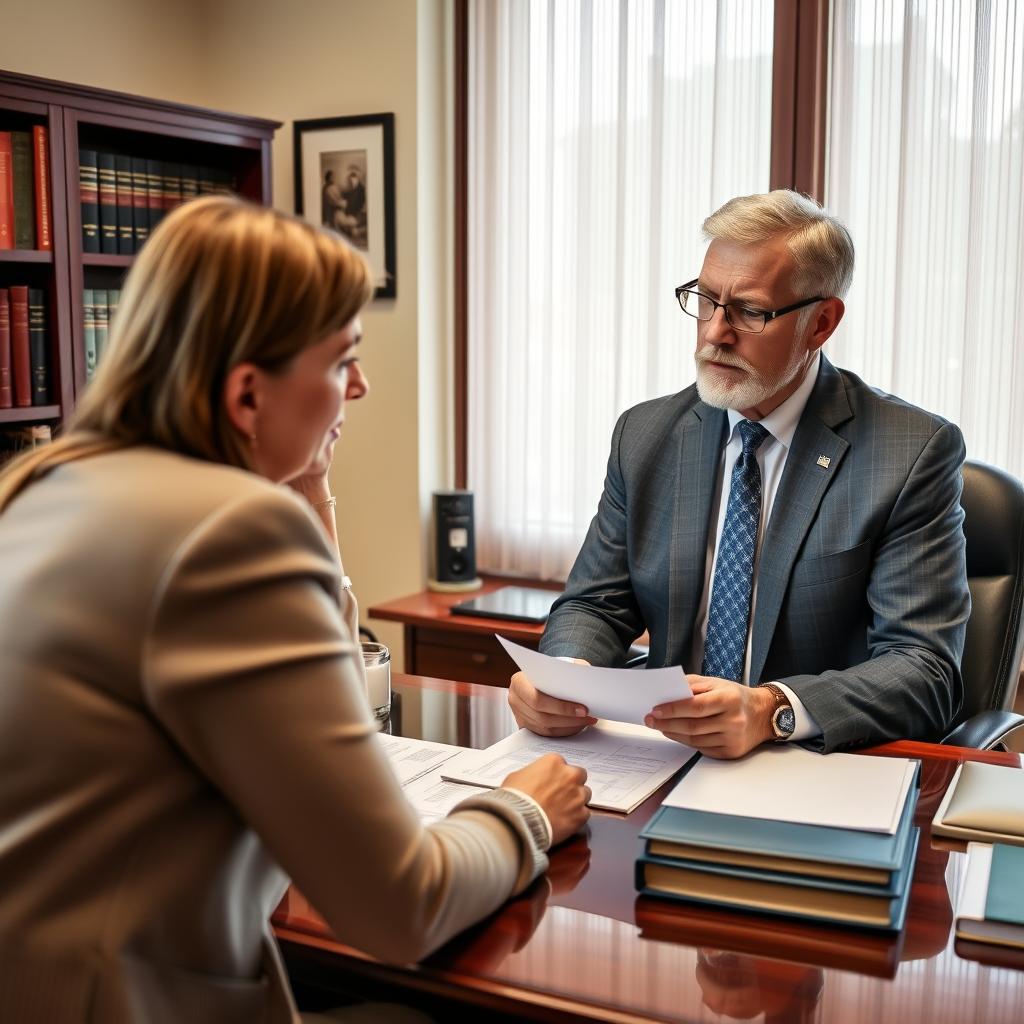
Child Support Arrears Lawyer Prince William County, VA
When child support payments fall behind, the unpaid sum — known as arrears — can quickly involve enforcement actions like wage garnishment, license suspension, tax refund interception, and even contempt proceedings before a judge. In Prince William County, these matters are heard in the Prince William County Juvenile and Domestic Relations District Court, which has authority over child support enforcement, modification, and contempt petitions. Whether you are a parent seeking to recover support that is owed to you or a parent who has fallen behind and now faces a court action, having a knowledgeable attorney can make a substantial difference in how the matter is resolved. Law Offices Of SRIS, P.C. represents clients throughout Prince William County in child support arrears cases, drawing on deep familiarity with local court procedures. Call (888) 437-7747 to schedule a consultation.
Law Offices Of SRIS, P.C. — Advocacy Without Borders.
How Child Support Arrears Are Addressed in Prince William County
A parent who has unpaid child support becomes an obligor with arrears, and the Virginia Division of Child Support Enforcement (DCSE) — or the parent owed support — can ask the court to compel payment. The Prince William County Juvenile and Domestic Relations District Court may issue a show cause order requiring the obligor to appear and explain why the past-due amounts have not been paid. The court then evaluates the obligor’s ability to pay, the reasons for nonpayment, and whether the obligor is in willful contempt. Possible outcomes range from a payment plan to incarceration, though the court’s primary objective is to bring the obligor into compliance.
Beyond contempt, the court has several enforcement tools. It can order income withholding, place a lien on real or personal property, suspend a driver’s or professional license, or intercept federal and state tax refunds. When the arrears are significant, the court may also order the obligor to post a bond or face other sanctions. A parent defending against an enforcement action can present evidence of changed circumstances, a good-faith inability to pay, or errors in the arrears calculation. An experienced lawyer can help marshal that evidence and negotiate a resolution that protects the parent’s interests while addressing the outstanding obligation.
Frequently Asked Questions About Child Support Arrears
How does a Virginia lawyer defend against child support arrears charges?
An experienced attorney challenges the government’s evidence, examines procedural compliance, and presents mitigating factors to the court. In Prince William County, defense strategies may include demonstrating that the obligor lacked the ability to pay, that the arrears calculation is incorrect, or that the obligor has since made substantial payments toward the balance. The lawyer may also negotiate a payment plan or request that the court suspend enforcement conditions if the obligor can show a good-faith effort to comply. Under Va. Code § 20-108.1 and § 20-108.2, the court has broad discretion, and effective advocacy focuses on the obligor’s specific financial and family situation.
What should I do if I am facing child support arrears enforcement in Prince William County?
Contact a family law attorney immediately and gather all relevant financial records, pay stubs, tax returns, and any court orders or correspondence from the DCSE. Do not ignore a show cause order; failing to appear can result in a bench warrant. At the initial hearing, the court will determine whether there is a valid claim for arrears and what enforcement measures are appropriate. Having an attorney present at an early stage helps ensure that your due process rights are protected and that you present the strong case for a manageable resolution.
What are the penalties for child support arrears in Virginia?
Penalties for child support arrears in Virginia can include wage garnishment, license suspension, interception of tax refunds, and, in cases of willful contempt, jail time. The court may also impose fines, require the posting of a bond, or order the obligor to pay the other parent’s attorney fees. The severity depends on the amount of the arrears, the length of nonpayment, and the obligor’s ability and willingness to pay. In Prince William County, the Juvenile and Domestic Relations District Court has authority to use these enforcement tools, and the outcome often hinges on the quality of the obligor’s legal representation.
Can child support arrears be reduced or forgiven in Virginia?
Child support arrears are not automatically forgiven, but under certain circumstances the obligor may negotiate a reduction or settlement with the DCSE or the other parent. A court may also find that the obligor did not willfully fail to pay and fashion a less onerous payment plan. Modifying the underlying support order going forward is a separate process, but it can reduce future accumulation of arrears. An attorney can evaluate whether retroactive modification is possible — generally limited to the date of filing a motion — and whether any defenses to enforcement exist, such as a mistake in the arrears computation.
How long does a child support arrears enforcement case take in Prince William County?
The timeline varies depending on the complexity of the case, the obligor’s cooperation, and the court’s docket, but many show cause hearings are resolved within a few months. If the obligor contests the arrears calculation or presents evidence of inability to pay, the proceedings may take longer and could involve multiple hearings. The Prince William County Juvenile and Domestic Relations District Court prioritizes support matters, but scheduling can be affected by caseload. An attorney can give you a realistic estimate based on the specific circumstances after reviewing the case.
Can a parent who owes arrears avoid jail time by paying something?
Making a good-faith payment — or at least demonstrating a consistent effort to pay something — often helps avoid incarceration, but it does not automatically erase the contempt charge. The court looks at whether the obligor has the ability to pay and whether the nonpayment is willful. If the obligor shows up with evidence of ongoing employment and a proposal to pay, the judge is more likely to impose a payment plan rather than jail. An attorney can present this evidence effectively and argue that incarceration would be counterproductive because it would further impair the obligor’s ability to work and pay.
What is the difference between criminal contempt and civil contempt for child support arrears in Virginia?
Civil contempt is designed to compel payment — the obligor “holds the keys to the jail” and can purge the contempt by paying — while criminal contempt is punitive, intended to punish past willful violations. Most child support arrears cases are civil contempt proceedings, but if the obligor’s conduct is particularly egregious, the court may issue a criminal contempt sanction. Both types can result in jail time, but civil contempt can typically be ended by curing the underlying violation. An experienced family law attorney can argue that the obligor should be treated under the civil contempt standard, which gives the obligor a path to purge the contempt and avoid prolonged incarceration.
Can an obligor lose his driver’s license because of child support arrears in Virginia?
Yes, the court has authority to suspend an obligor’s driver’s license — and certain professional or recreational licenses — as a method of enforcing child support orders. The DCSE can also request suspension administratively. Before suspension, the obligor typically receives notice and an opportunity to contest the action. An attorney can argue that license suspension would be unduly harsh, particularly if the obligor needs the license to earn a living and pay support. In many cases, the obligor can avoid suspension by entering into a payment agreement.
How does the court calculate child support arrears in Virginia?
Arrears are calculated by adding up the unpaid amounts under the existing support order, including any interest allowed by Virginia law. The starting point is the payment record kept by the DCSE or the court clerk. Disputes often arise when the obligor claims to have made payments that were not credited, or when the support order was modified retroactively. An attorney can review the accounting, identify errors, and present evidence of payments that the DCSE may have overlooked. Because arrears calculations can affect wage withholding and tax refund offsets, accuracy is critical.
Can the parent receiving support also have a lawyer in the arrears enforcement case?
Yes, the parent who is owed support — the obligee — may hire counsel to advocate for full payment of arrears and to ensure that the court issues strong enforcement orders. While the DCSE may represent the state’s interest in collecting support, the obligee may want personal representation to propose a specific payment plan, request additional sanctions, or protect his or her interests when the obligor seeks to modify the underlying order. An attorney can help the obligee prepare testimony, present evidence of the obligor’s ability to pay, and argue for the full range of enforcement remedies available under Virginia law.
About Mr. Sris and His Of Counsel Team
Mr. Sris, Owner and Founder of Law Offices Of SRIS, P.C., has practiced law since 1997 and is admitted in Virginia, Maryland, the District of Columbia, New Jersey, and New York. He is a former prosecutor with experience in trial work, and his firm handles child support arrears matters throughout Prince William County, from the Juvenile and Domestic Relations District Court. Mr. Sris and his Of Counsel bring over 120 years of combined legal experience and 4,739+ documented firm-wide results to family law cases, including enforcement actions, contempt proceedings, and support modification. Results may vary. They work with clients to understand the financial realities of each case and to pursue outcomes that balance legal obligations with practical family needs.
Our family law practice serves clients across Northern Virginia. See our pages for Fairfax County, Stafford County, Fauquier County, Loudoun County, and Arlington County.
Relevant Virginia primary legal sources: Virginia Code Title 20 (Domestic Relations) and Virginia Judicial Branch. These official sites provide statutes, court rules, and information about the courts that hear child support matters.
Attorney advertising. Prior results do not guarantee a similar outcome. Results may vary.
Case results depend on a variety of factors unique to each case.