
Adoption Lawyer Near Me
Adoption creates a new legal parent-child relationship, and in Virginia, the process requires careful compliance with statutory requirements under Va. Code § 63.2-1200 et seq. For families in Northern Virginia—including Fairfax County, Arlington, Loudoun County, Prince William County, and the surrounding communities—Law Offices Of SRIS, P.C. provides representation in stepparent, relative, kinship, and private adoptions. The firm’s attorneys appear in the Circuit Courts that hold exclusive jurisdiction over adoption proceedings, guiding clients through the consent, home study, and finalization steps that the Commonwealth requires. Whether you are a stepparent seeking to formalize a relationship with a child, a grandparent pursuing kinship adoption, or a prospective adoptive parent working with an agency, experienced legal counsel can help address procedural hurdles and ensure the adoption decree is entered properly. To speak about your situation, reach Law Offices Of SRIS, P.C. at (888) 437-7747. Law Offices Of SRIS, P.C. – Advocacy Without Borders.
What Adoption Means in Northern Virginia, Virginia
Adoption in Virginia is governed by Title 63.2 of the Virginia Code. The Circuit Court of the city or county where the petitioner resides or where the child is located has original jurisdiction over adoption cases. For families in Northern Virginia, that means the Fairfax County Circuit Court, the Arlington County Circuit Court, the Loudoun County Circuit Court, or the Prince William County Circuit Court, depending on where the parties live. While the Virginia Department of Social Services or a licensed child-placing agency may conduct the required home study and provide post-placement supervision, the final decree of adoption is always entered by a judge. The court looks to the best interests of the child and must be satisfied that all necessary consents have been obtained or that valid grounds exist to dispense with consent under Va. Code § 63.2-1205. The process is also shaped by whether the adoption is a stepparent adoption, a relative adoption, a kinship placement, or a private independent adoption, each of which carries distinct procedural rules about who must consent and what steps must be completed before the final hearing.
In Fairfax County and across the Northern Virginia region, many adoption matters are uncontested, particularly stepparent and relative adoptions, but contested cases arise when a biological parent objects to the termination of parental rights or when an agency disputes the suitability of the placement. In such situations, the court may appoint a guardian ad litem to represent the child’s interests and may schedule an evidentiary hearing. The firm’s familiarity with local court procedures—including how judges in the 19th Judicial Circuit (Fairfax) and the 17th Judicial Circuit (Arlington) typically handle uncontested adoption dockets—can help clients prepare for each stage. While every case is different, having counsel who understands the local filing requirements, the need for a report of the commissioner of accounts, and the interplay between the adoption petition and any existing custody or visitation orders can make a significant difference in moving the case forward efficiently.
How Mr. Sris and His Of Counsel Handle Adoption Cases
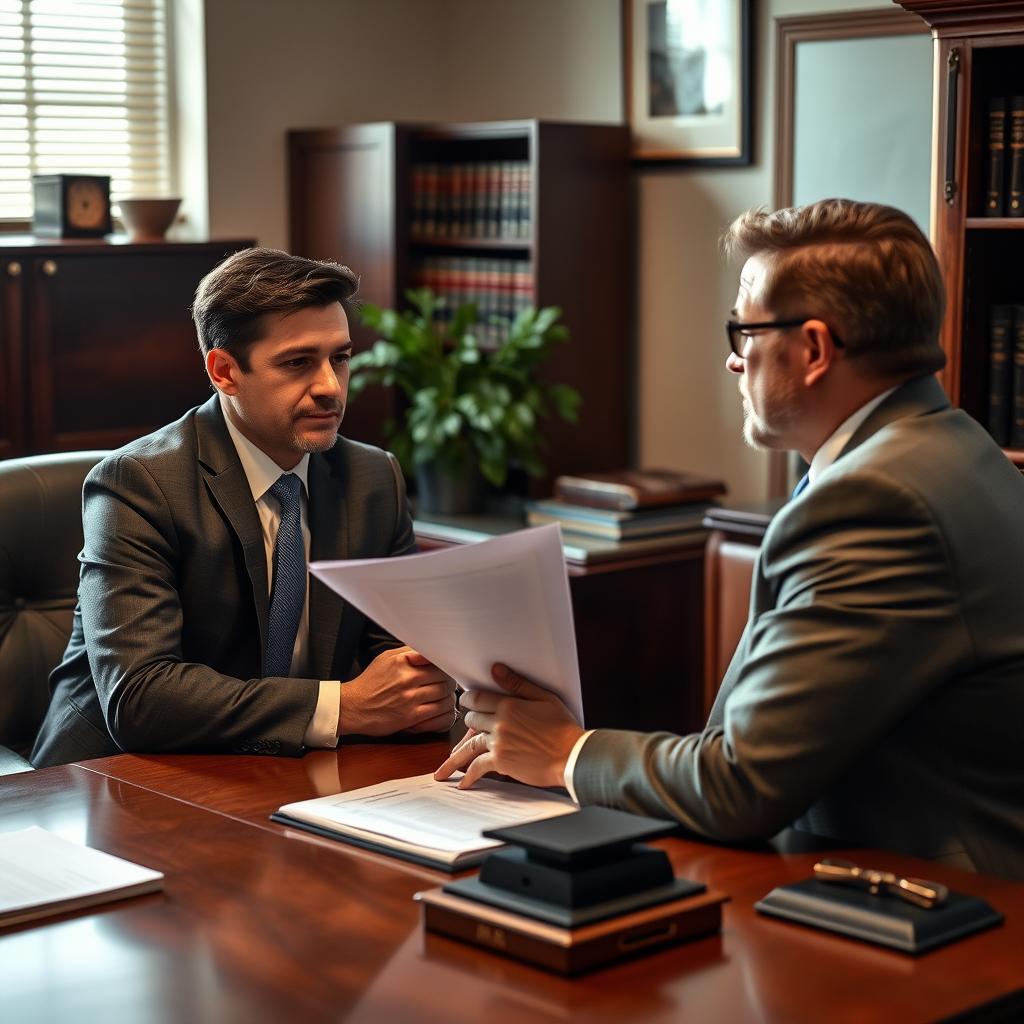
Mr. Sris and his Of Counsel begin with an in-depth consultation to identify the type of adoption, the parties involved, and any potential obstacles—such as an unlocatable biological parent, an absent father whose rights must be addressed, or questions about the validity of a foreign birth certificate. Because Virginia law treats stepparent adoptions differently from relative or private adoptions, counsel works to confirm that the correct statutory procedure is followed from the outset. The team gathers the necessary consents, prepares the petition for adoption, and coordinates with the home study provider and, where needed, the Virginia Department of Social Services. Throughout the case, the firm’s role is to ensure that all documents filed with the Circuit Court are accurate, that required notices are properly served, and that any objections raised by a party are addressed before the final hearing.
At the finalization hearing, which is typically scheduled after the home study and any required post-placement supervision are complete, Mr. Sris and his Of Counsel appear with the client and present the evidence needed for the court to enter the final order of adoption. The order establishes the adoptive parent-child relationship, changes the child’s legal name if requested, and directs the issuance of a new birth certificate. Post-finalization, the firm assists with the necessary steps to obtain the amended birth certificate from the Virginia Department of Health’s Division of Vital Records. The firm’s multi-state presence—with locations in Virginia, Maryland, the District of Columbia, New Jersey, and New York—also positions it to handle cases where a child or party has moved across state lines, or where an adoption decree from another jurisdiction must be domesticated in Virginia. While outcomes vary based on the facts, Mr. Sris and his Of Counsel work to secure a final decree that meets all statutory requirements.
About Mr. Sris and His Of Counsel Team
Mr. Sris, Owner and Founder of Law Offices Of SRIS, P.C., has practiced law since 1997. A former prosecutor, he is admitted in Virginia, Maryland, the District of Columbia, New Jersey, and New York. His background includes appearances in Circuit Courts, General District Courts, and Juvenile and Domestic Relations Courts across Virginia. Mr. Sris testified before the Virginia House Courts of Justice Committee in support of 2019 HB 635 (chief patron Del. David Bulova). He maintains a limited personal caseload, allowing him to stay directly involved in the matters the firm handles.
Mr. Sris is supported by Of Counsel attorneys who bring extensive combined legal experience in family law and adoption. The team collaboratively reviews each adoption file, from the petition and consents through the home study report and final decree. Every attorney who works on an adoption matter has over a decade of practice experience. The firm’s Northern Virginia location serves clients throughout Fairfax County, Arlington, Loudoun, Prince William, and the surrounding areas, offering representation in the Circuit Courts that hear adoption cases across the region. To consult about an adoption matter, contact Law Offices Of SRIS, P.C. at (888) 437-7747. Results may vary.
Frequently Asked Questions
What types of adoption are available in Virginia?
Virginia law permits stepparent adoptions, relative adoptions, kinship adoptions, private adoptions, and agency adoptions, each governed by separate provisions in Title 63.2 of the Virginia Code. Stepparent adoption is the most common form and allows a spouse to adopt the child of their partner, typically with the consent of the other biological parent or a court finding that consent is not required. Relative and kinship adoptions involve grandparents, aunts, uncles, or other family members who step into a parental role. Private adoptions are arranged directly between the birth parents and the adoptive parents, often with the help of an attorney, while agency adoptions involve a licensed child-placing agency. The specific legal requirements—including who must consent and under what circumstances consent can be waived—differ for each type. An experienced adoption attorney can explain which path fits your situation and guide you through the procedural steps that apply in your case.
Do I need a lawyer for an adoption in Northern Virginia?
Virginia law does not require you to hire an attorney for an adoption, but the procedural rules and the need for a legally sufficient final decree make representation a prudent choice. Adoption proceedings are filed in the Circuit Court, which follows formal rules of pleading and evidence. Errors in the petition, missing consents, or failure to properly notify a biological parent can delay the case or result in denial of the adoption. In addition, the court must be satisfied that all statutory prerequisites—such as the home study, the report of the commissioner of accounts, and the proper execution of consents—have been met before entering the final order. An attorney who practices regularly in the circuit courts of Northern Virginia can prepare the necessary filings, coordinate with the home study provider, and address any objections from a party or agency. For complex situations, such as a biological parent who contests the adoption, legal representation is especially important to protect the child’s interests and the adoptive parent’s rights.
How does the adoption process work in Virginia?
The process begins with filing a petition for adoption in the Circuit Court of the city or county where the petitioner lives or where the child is located, after which the court orders an investigation and a home study, and ultimately holds a finalization hearing to enter the decree. Before filing, the adoptive parent must obtain the necessary consents from the biological parents, any legal guardian, and the child if the child is 14 years of age or older, unless a statutory ground permits the court to dispense with consent. The home study is conducted by a licensed child-placing agency or the local department of social services and includes interviews, background checks, and an assessment of the home environment. For stepparent and relative adoptions, the home study requirement may be less extensive than for a private agency placement. After the home study is completed and any post-placement supervision period has expired, a final hearing is scheduled, at which the judge reviews all reports and, if satisfied, enters the final order of adoption and directs issuance of a new birth certificate.
What is the role of the home study in Virginia adoptions?
A home study is a mandatory investigation ordered by the court to evaluate whether the prospective adoptive home is suitable for the child and whether the adoption is in the child’s best interests. The home study is performed by a licensed child-placing agency or the local department of social services. It typically includes interviews with the adoptive parents and all household members, a review of financial and medical records, criminal background checks, and a physical inspection of the home. The investigator prepares a written report that is filed with the court and becomes part of the adoption record. For stepparent and close-relative adoptions, the home study may be less detailed than for private or agency placements, but it is still required. The court relies on this report to confirm that the adoptive home is safe and stable and that the adoption is proceeding in compliance with Virginia law. Once the home study is approved, the case can move toward finalization.
Can a stepparent adopt a child in Virginia?
Yes, stepparent adoption is permitted in Virginia when the biological parent who is married to the stepparent consents and the other biological parent either consents or has his or her parental rights terminated on statutory grounds. Because the stepparent adoption severs the legal relationship between the child and the noncustodial biological parent, the court must find that valid consent has been given or that a ground for dispensing with consent exists—for example, if the noncustodial parent has abandoned the child, is unfit, or has failed to communicate with or support the child for a specified period. Stepparent adoptions are generally uncontested, and the process is often more streamlined than a private or agency adoption, but careful attention to the consent requirements and proper service of notice is still critical. The stepparent must also meet the same home study requirement as other adoptive parents. Once the adoption is finalized, the stepparent becomes the legal parent, and the child’s birth certificate is amended to reflect the new parentage.
How do I find an adoption lawyer near me in Northern Virginia?
Begin by identifying an attorney who practices regularly in the circuit courts of the county where you plan to file—Fairfax County, Arlington, Loudoun, Prince William, or another Northern Virginia jurisdiction—and who has experience handling adoptions under Virginia law. Look for counsel who is admitted to practice in Virginia and who is familiar with the local court procedures, including the specific documents required by that circuit. References from other families who have completed adoptions, as well as searches through the Virginia State Bar, can help you identify qualified attorneys. The consultation is an opportunity to discuss the type of adoption you are pursuing, the parties involved, and any concerns about consent or home study requirements. Law Offices Of SRIS, P.C. serves clients across Northern Virginia from its Fairfax County location and can be reached at (888) 437-7747 to schedule a consultation. The firm’s adoption practice is led by Mr. Sris and his Of Counsel, who collectively have extensive combined legal experience in family law matters.
For more information about adoption legal services in specific localities, see our Fairfax adoption lawyer page, our Virginia family law services overview, and our stepparent adoption in Virginia resource.
Official Virginia adoption law is found in Virginia Code Title 63.2, Chapter 12. Information about Virginia courts is available at Virginia’s Judicial System website.
Attorney advertising. Prior results do not guarantee a similar outcome. Case results depend on a variety of factors unique to each case. Results may vary.