
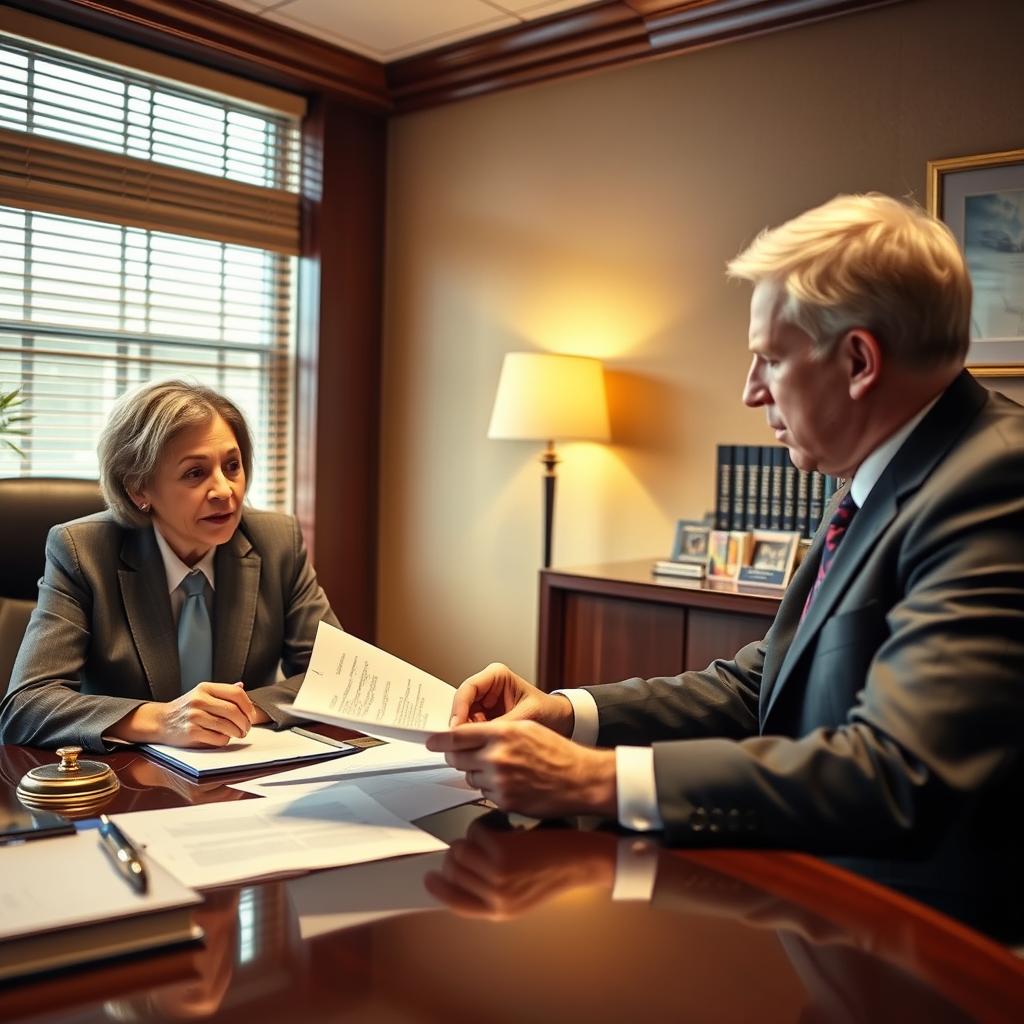
Armed Forces Divorce Lawyer Near Me
If you are a service member or the spouse of a service member in Northern Virginia, you face legal issues that civilian divorces do not encounter. Military pensions, deployment schedules, and the Servicemembers Civil Relief Act all intersect with Virginia’s divorce statutes in ways that require counsel who understands both family law and the military context. Law Offices Of SRIS, P.C., with a Fairfax location, represents clients in Fairfax County, Arlington, Alexandria, Prince William, and the surrounding communities where military families live and work. Mr. Sris, Owner and Founder of the firm, and his Of Counsel team work with clients to address custody, support, and property division under Va. Code § 20‑91 and the equitable distribution framework of Va. Code § 20‑107.3. Reach our location at (888) 437-7747 to request a consultation. Law Offices Of SRIS, P.C. – Advocacy Without Borders.
What an Armed Forces Divorce Involves in Northern Virginia
An armed forces divorce is a dissolution of marriage where one or both spouses are active-duty military, reservists, or retired from a branch of the armed services. In Virginia, the same grounds for divorce apply to military couples as to civilians, but several federal and state provisions create additional requirements. The Servicemembers Civil Relief Act can stay proceedings if one party is on active duty and unable to participate, while the Uniformed Services Former Spouses’ Protection Act governs how military retired pay may be divided by a state court. Additionally, Virginia’s residency requirement under Va. Code § 20‑97—six months’ domicile in the Commonwealth—may be met differently by a service member who is stationed here on military orders. Courts in Northern Virginia, including the Fairfax County Circuit Court, Arlington County Circuit Court, and Prince William County Circuit Court, hear these cases regularly.
Because many military families in the region move frequently, jurisdictional questions arise over whether Virginia or another state is the proper forum. Mr. Sris and his Of Counsel team work to identify the correct venue early, which can affect everything from property classification to spousal support. The team also handles cases where one spouse is deployed or stationed overseas, coordinating practical steps that keep the process moving while protecting the service member’s rights.
How Mr. Sris and His Of Counsel Handle Armed Forces Divorce Matters
Mr. Sris brings his experience as a former prosecutor and his founding of the firm in 1997 to each matter. When a client inquires about an armed forces divorce, the firm begins by examining the marriage’s history, including where the parties have lived, the length of the marriage overlapping with military service, and whether a separation has occurred under Va. Code § 20‑91. If the couple has no minor children and has signed a separation agreement, a six-month separation may support a no-fault divorce; otherwise, a one-year separation is typically required. Fault grounds—such as adultery, cruelty, or desertion—remain available in Virginia and do not carry a waiting period, but they must be proven with clear evidence.
Military pensions and Thrift Savings Plan accounts are often the largest assets in these divorces. Under the equitable distribution scheme of Va. Code § 20‑107.3, the court considers the contributions of each spouse during the marriage and the duration of the marriage that coincided with the pension’s accrual. The firm consults with financial attorneys where needed to calculate the marital share of a pension, ensuring that any proposed division complies with Department of Defense regulations. Throughout the process, Mr. Sris and his Of Counsel team focus on reaching a resolution that addresses support, custody, and property in a manner consistent with Virginia law, while remaining mindful of the unique demands placed on military families.
Frequently Asked Questions
What is an armed forces divorce in Virginia?
An armed forces divorce is a divorce involving an active-duty or retired service member, where military-specific laws intersect with Virginia’s family law statutes. Virginia applies the same grounds for divorce and equitable distribution principles to military couples as to civilians. However, federal laws such as the Uniformed Services Former Spouses’ Protection Act govern the division of military retired pay, and the Servicemembers Civil Relief Act can delay proceedings while a service member is on active duty. Courts in Fairfax County, Arlington County, and Prince William County routinely handle these matters. For case-specific guidance, contact Law Offices Of SRIS, P.C. at (888) 437-7747.
How does deployment affect divorce proceedings in Virginia?
Deployment can stay or postpone divorce proceedings under the Servicemembers Civil Relief Act if the service member’s military duties materially affect their ability to participate in the case. The court may grant a stay for a period set by federal and state law, protecting the service member from a default judgment without their presence. Issues such as child custody, visitation schedules, and support obligations are adjusted to reflect deployment schedules. Mr. Sris and his Of Counsel team work with clients to file motions that preserve the service member’s rights and present a plan for temporary arrangements while deployment is ongoing. For a consultation, reach Law Offices Of SRIS, P.C. at (888) 437-7747.
Where can I find an armed forces divorce lawyer near me in Northern Virginia?
Law Offices Of SRIS, P.C. serves clients in Fairfax County, Arlington County, Alexandria, Prince William County, and the surrounding Northern Virginia communities, with a Fairfax location accessible by appointment. The firm’s attorneys appear in the local circuit courts where divorce cases are filed. Because the firm concentrates in family law and has experience with military-related matters, it is positioned to address both the state-law and federal-law components of an armed forces divorce. Reach our location at (888) 437-7747 to discuss your situation.
How is military pension divided in a Virginia divorce?
Military retired pay is divisible by a Virginia court under the Uniformed Services Former Spouses’ Protection Act and Virginia’s equitable distribution statute, Va. Code § 20‑107.3. The court must first determine what portion of the pension is marital—generally, the portion earned during the marriage and while the service member was active. The marital share is then subject to division, which the court accomplishes through a formula. A qualified domestic relations order is not used for military pensions; instead, a military retired pay division order is prepared. To understand how these principles apply to your facts, reach Law Offices Of SRIS, P.C. at (888) 437-7747.
How is child custody decided when a parent is in the military?
Custody in Virginia is based on the best interests of the child under Va. Code § 20‑124.3, considering factors that include each parent’s role, the child’s relationship with each parent, and any history of abuse. For military families, courts also weigh the demands of service, including potential deployment, unpredictable schedules, and geographic moves. Virginia courts may incorporate a family care plan or deployment parenting plan that specifies how custody and visitation will function during active-duty periods. The objective is to maintain stability for the child while accommodating the parent’s service obligations. To discuss the details of your matter, contact Law Offices Of SRIS, P.C. at (888) 437-7747.
What are the grounds for divorce in Virginia for military couples?
Virginia recognizes no-fault and fault grounds for divorce under Va. Code § 20‑91, all of which apply to military couples. No-fault grounds require a separation of either one year, or six months if the couple has no minor children and has signed a separation agreement. Fault grounds include adultery, cruelty, willful desertion for one year, and felony conviction with imprisonment over one year. Adultery carries no waiting period but must be proved by clear and convincing evidence. For guidance on your specific situation, reach Law Offices Of SRIS, P.C. at (888) 437-7747.
Do I need a lawyer for an armed forces divorce in Virginia?
You are not required by law to hire a lawyer, but armed forces divorces involve overlapping state and federal rules that can be difficult to navigate without counsel. Errors in addressing the division of a military pension, the Servicemembers Civil Relief Act, or the calculation of spousal support can have lasting financial consequences. Mr. Sris and his Of Counsel team work with clients to identify the applicable laws and present their position effectively in court. To discuss whether representation is right for your circumstances, contact Law Offices Of SRIS, P.C. at (888) 437-7747.
What should I bring to an initial consultation with an armed forces divorce lawyer?
Bring documents that give the attorney a clear picture of your financial situation, your marriage, and your military service. These often include recent pay stubs, leave and earnings statements (LES), tax returns, bank and investment account statements, military orders, and any existing separation agreements or court orders. For custody matters, bring school records and any relevant communications with the other parent. Providing complete records at the outset helps counsel assess your case more efficiently. To schedule a consultation, reach Law Offices Of SRIS, P.C. at (888) 437-7747.
How does the Servicemembers Civil Relief Act affect my divorce?
The Servicemembers Civil Relief Act allows a court to stay civil proceedings, including divorce, if a military member’s service materially affects their ability to appear or respond. The stay is not automatic—the service member must request it, and the court decides whether the circumstances warrant the delay. The Act also provides protections against default judgments if the service member has not been properly notified. Mr. Sris and his Of Counsel team help service members and their spouses understand how these provisions apply and file the necessary requests with the court. For a consultation, reach Law Offices Of SRIS, P.C. at (888) 437-7747.
Can a spouse receive spousal support while the service member is deployed?
Yes, a Virginia court can award spousal support during deployment based on the statutory factors in Va. Code § 20‑107.1, including the parties’ needs and abilities to pay. The support obligation does not pause simply because the service member is overseas; military pay generally continues, and the court can issue an order allocating a portion for the spouse’s support. However, if the service member faces additional expenses or risks, the court may adjust the amount accordingly. To discuss the details of your matter, contact Law Offices Of SRIS, P.C. at (888) 437-7747.
About Mr. Sris and His Of Counsel Team
Mr. Sris, Owner and Founder of Law Offices Of SRIS, P.C., has practiced since 1997 and is admitted in Virginia, Maryland, the District of Columbia, New Jersey, and New York. A former prosecutor, he testified before the Virginia House Courts of Justice Committee in support of 2019 HB 635 (chief patron Del. David Bulova). The firm’s Of Counsel attorneys—each with over a decade of experience—collaborate with Mr. Sris on family law matters. Together they bring extensive combined legal experience to armed forces divorces, child custody disputes, and property division cases. Results may vary. For a consultation, reach Law Offices Of SRIS, P.C. at (888) 437-7747.
Also visit: Divorce Lawyer Fairfax, VA | Divorce Lawyer Arlington, VA | Divorce Lawyer Alexandria, VA | Divorce Lawyer Prince William, VA
Attorney advertising. Prior results do not guarantee a similar outcome. Case results depend on a variety of factors unique to each case. Results may vary.