
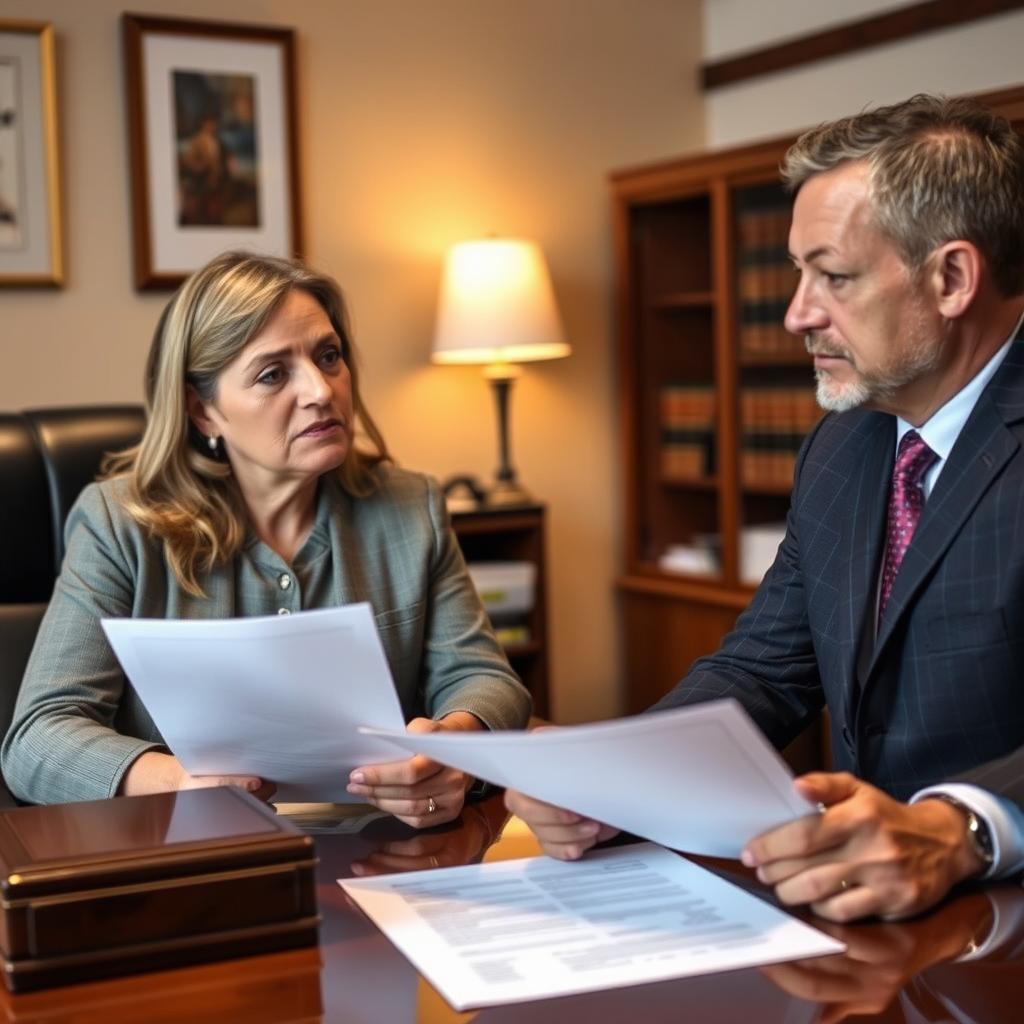
Paternity Dispute Lawyer Loudoun County, VA
A paternity dispute can touch every part of a family’s life—custody, visitation, child support, and a child’s relationship with a parent. In Virginia, paternity establishment and challenges are governed by Va. Code § 20‑49.1 et seq., which sets out the legal framework for determining a child’s legal father. In Loudoun County, these matters are typically heard in the Loudoun County Juvenile and Domestic Relations District Court, while divorce-related paternity issues may also proceed in the Loudoun County Circuit Court. The outcome can affect parental rights, financial obligations, and access to time with a child, making it important to approach the process with a clear understanding of the law and the local court system. Mr. Sris and his Of Counsel team at Law Offices Of SRIS, P.C. have represented clients in family law matters across Virginia for over two decades. To discuss your situation with an experienced paternity dispute attorney, reach our location at (888) 437‑7747. Law Offices Of SRIS, P.C. – Advocacy Without Borders.
What Paternity Dispute Means in Loudoun County
Loudoun County is Virginia’s fastest-growing county and serves a diverse population that includes military families, technology professionals, and commuters working in the Washington, D.C. Area. Paternity disputes arise in many different circumstances here—for unmarried parents seeking to establish a legal father-child relationship, for men who question whether they are the biological father, and for mothers who need to secure child support. Because the county’s domestic-relations caseload continues to increase, the Loudoun County Juvenile and Domestic Relations District Court at 18 East Market Street in Leesburg handles a steady volume of paternity, custody, and support petitions.
Virginia law treats paternity as a gateway issue. Once parentage is legally established—whether by voluntary acknowledgment, genetic testing, or court order—a host of rights and obligations attach. A father gains standing to seek custody or visitation, and a child becomes eligible for support, inheritance rights, and access to family medical history. The Loudoun County Circuit Court may also address paternity when it is raised in the context of a divorce or equitable distribution proceeding. Because the two courts have overlapping but distinct authority, working with counsel who understands how paternity matters move through the local system can help prevent procedural delays. Our Ashburn Location serves clients throughout Loudoun County, including Ashburn, Leesburg, Sterling, Purcellville, South Riding, Brambleton, Aldie, Hamilton, Lovettsville, Middleburg, and Round Hill.
How Mr. Sris and His Of Counsel Handle Paternity Dispute Cases
Every paternity case begins with a thorough review of the facts. Mr. Sris and his Of Counsel examine whether parentage has already been acknowledged, whether genetic testing has been performed, and what relief the client is seeking—establishment of paternity, challenge to an existing determination, or enforcement of parental rights. When DNA testing is needed, the firm coordinates the testing through accredited laboratories and ensures the results are properly introduced in the Loudoun County Juvenile and Domestic Relations District Court or the Circuit Court, depending on where the matter is pending.
Once paternity is resolved, the team addresses the related issues that typically follow. These may include negotiating a parenting plan, calculating child support under Virginia’s guidelines, or advocating for custody arrangements that serve the child’s best interests under Va. Code § 20‑124.3. If a case cannot be resolved through negotiation or mediation, Mr. Sris and his Of Counsel are prepared to litigate the matter in the appropriate Loudoun County court. Throughout the process, the firm keeps clients informed of what to expect at each stage, from the initial filing through any final hearing. The timeline for a paternity dispute depends on the complexity of the issues and the court’s calendar rather than any fixed deadline, and the firm works to move each case forward efficiently while protecting the client’s rights.
About Mr. Sris and His Of Counsel Team
Mr. Sris, Owner and Founder of Law Offices Of SRIS, P.C., founded the firm in 1997 and has concentrated his practice on family law, criminal defense, and related litigation across Virginia, Maryland, the District of Columbia, New Jersey, and New York. He is a former prosecutor whose experience in the courtroom gives him insight into how opposing parties build their cases. Mr. Sris testified before the Virginia House Courts of Justice Committee in support of 2019 HB 635 (chief patron Del. David Bulova). He is supported by a team of Of Counsel attorneys who bring additional depth in family law, child welfare, and litigation. Mr. Sris and his Of Counsel bring over 120 years of combined legal experience and have achieved 4,739+ documented firm-wide results. Results may vary.
Frequently Asked Questions
What is a paternity dispute in Virginia?
A paternity dispute is a legal disagreement over the identity of a child’s biological and legal father under Virginia law. Paternity disputes can arise when an unmarried mother seeks to establish a father’s legal obligations, when a man wishes to assert his parental rights, or when a man challenges a prior determination of paternity. Virginia Code § 20‑49.1 et seq. Provides the statutory framework for these actions. In Loudoun County, such disputes are generally heard in the Juvenile and Domestic Relations District Court unless they are part of a divorce case, in which case the Circuit Court has jurisdiction. For guidance on your specific situation, reach Law Offices Of SRIS, P.C. at (888) 437‑7747.
How is paternity established in Virginia?
Paternity in Virginia can be established through a voluntary acknowledgment of paternity, an administrative process, or a court order following genetic testing. A voluntary acknowledgment is often signed at the hospital when a child is born, but it can be rescinded within a limited time frame. When paternity is disputed, the court may order DNA testing through an accredited laboratory. If the test results demonstrate a high probability of paternity, the court can enter an order establishing the legal father-child relationship. That order then becomes the basis for custody, visitation, and child support determinations. To discuss the details of your matter, contact Law Offices Of SRIS, P.C. at (888) 437‑7747.
Can a father dispute paternity after signing an acknowledgment?
Yes, a father may challenge a prior acknowledgment of paternity under certain circumstances, but strict deadlines and legal standards apply. Virginia law provides a limited window in which a voluntary acknowledgment may be rescinded. After that window closes, a party seeking to set aside paternity must typically show fraud, duress, or material mistake of fact. Genetic testing may be ordered if the court determines there is a legitimate question about parentage. Because the procedural requirements are strict, anyone considering such a challenge should seek legal advice promptly. For a consultation, reach Mr. Sris and his Of Counsel at (888) 437‑7747.
What rights does a father gain after paternity is established?
Once paternity is legally established, a father gains the right to seek custody or visitation and the obligation to provide financial support for the child. Under Virginia law, a legal father may petition the court for a parenting schedule, participate in decisions affecting the child’s welfare, and seek enforcement of his parental rights. The child also gains important benefits, including the right to inherit from the father and access to family medical history. In Loudoun County, these matters are addressed in the Juvenile and Domestic Relations District Court, which applies the trusted-interest factors set out in Va. Code § 20‑124.3. For guidance on your specific situation, reach Law Offices Of SRIS, P.C. at (888) 437‑7747.
How does the court decide custody and support in a paternity case?
The court decides custody based on the best interests of the child using ten statutory factors, and child support is calculated using Virginia’s guidelines based on the parents’ combined gross income. In Loudoun County, the Juvenile and Domestic Relations District Court has primary jurisdiction over custody and support when the parents are unmarried. The court will consider each parent’s relationship with the child, the child’s needs, and any history of abuse, among other factors. Child support is determined by applying the statewide guidelines, which take into account income, health insurance costs, and work‑related childcare expenses. The timeline for a final order depends on the court’s calendar and the complexity of the case. To discuss the details of your matter, contact Law Offices Of SRIS, P.C. at (888) 437‑7747.
Do I need a lawyer for a paternity dispute in Loudoun County?
You are not required to hire a lawyer to pursue or defend a paternity action, but legal representation can help protect your parental rights and ensure procedural requirements are met. Paternity cases often involve overlapping issues of custody, visitation, and child support that can have long‑term consequences. An experienced attorney can explain how Virginia law applies to your situation, help you navigate the Loudoun County court system, and advocate for a fair resolution. Law Offices Of SRIS, P.C. offers consultations to discuss your matter. For a consultation, reach Mr. Sris and his Of Counsel at (888) 437‑7747.
Attorney advertising. Prior results do not guarantee a similar outcome. Case results depend on a variety of factors unique to each case. Results may vary.