
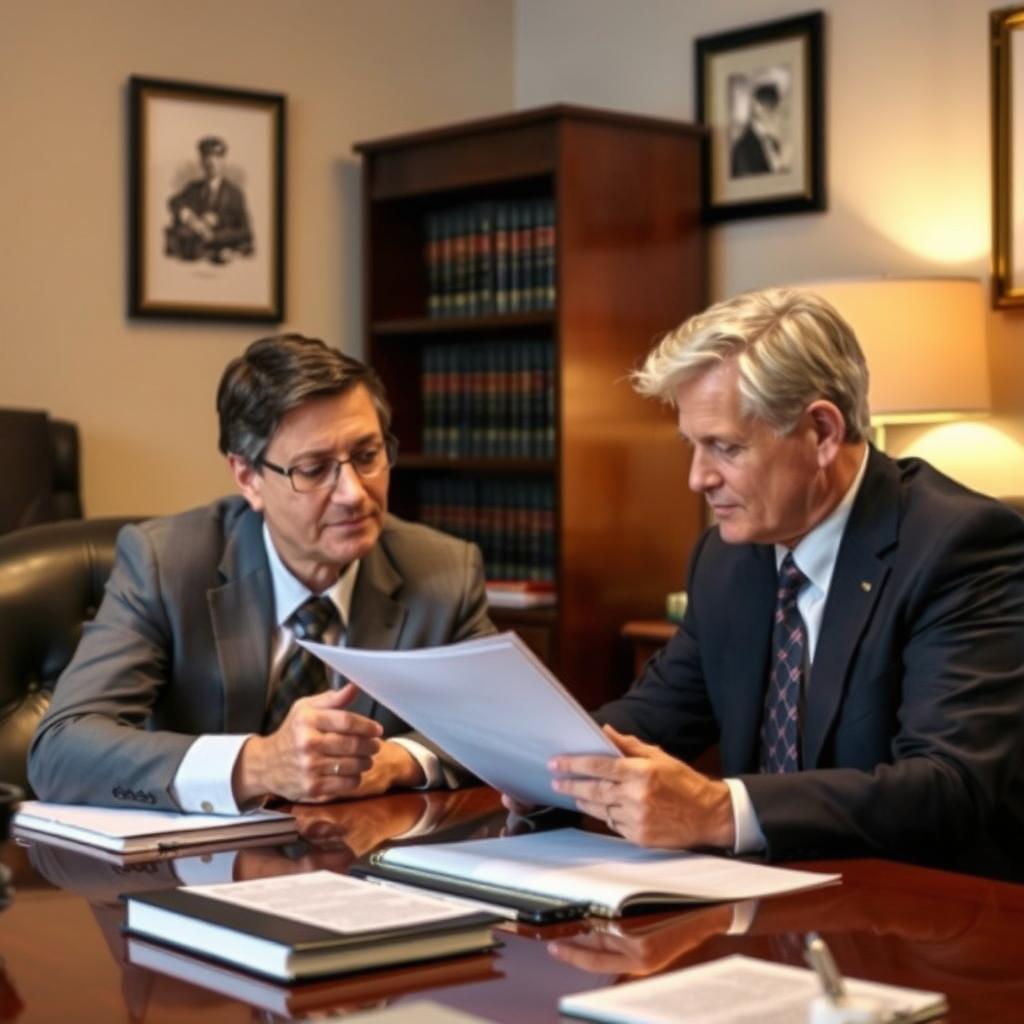
Felony Conviction Divorce Lawyer Fairfax County, VA
Under Virginia law, one spouse’s conviction and imprisonment for a felony can serve as an independent fault ground for divorce, allowing the non‑incarcerated spouse to end the marriage without waiting through a lengthy separation period. In Fairfax County, these matters proceed through the Circuit Court or, for related custody and support issues, the Juvenile and Domestic Relations District Court. The process involves specific procedural requirements, service of the incarcerated spouse, and, often, contested property‑division implications. Law Offices Of SRIS, P.C., founded in 1997, concentrates its practice on family law matters, including felony‑conviction divorces, throughout Northern Virginia. Mr. Sris and his Of Counsel appear regularly in Fairfax County courts, working to move these matters forward while protecting the filing spouse’s interests. To discuss your situation, reach our location at (888) 437‑7747. Law Offices Of SRIS, P.C. — Advocacy Without Borders.
What Felony Conviction Divorce Means in Fairfax County, Virginia
Virginia Code § 20‑91 lists felony conviction and confinement as one of several fault‑based grounds for divorce. If a spouse has been sentenced to imprisonment for more than one year and is actually confined following the conviction, the other spouse may file a complaint for divorce immediately — no separation period is required. This differs sharply from the no‑fault separation grounds that demand either six months or one year of living apart. In Fairfax County, the Circuit Court has exclusive original jurisdiction over the divorce itself, while the Juvenile and Domestic Relations District Court addresses any pendente lite custody, child support, or protective‑order issues that arise during the case.
A felony‑conviction divorce can raise a distinctive set of challenges. Service of process on an incarcerated spouse must comply with Virginia rules, and the incarcerated party may contest the divorce or the accompanying equitable‑distribution and support claims. The court still must classify and value marital property under Va. Code § 20‑107.3 when a contested financial dispute exists. Because the ground for divorce is fault‑based, allegations in the complaint must be supported by evidence of the conviction and the term of confinement, and corroborating testimony or documentation is typically needed at the final hearing. The Fairfax County Circuit Court at 4110 Chain Bridge Road handles these filings, and the court calendar and complexity of the matter shape the overall timeline. Mr. Sris and his Of Counsel are familiar with the local procedural expectations in Fairfax County, including the court’s practices regarding incarcerated‑spouse cases.
How Mr. Sris and His Of Counsel Handle Felony Conviction Divorce Cases
When a client initiates a divorce based on felony conviction, Mr. Sris and his Of Counsel first confirm the factual predicate: a conviction that resulted in a sentence of more than one year and actual confinement. They then prepare the complaint for divorce, attaching certified copies of the conviction order and, where available, records of the prison commitment. The complaint also addresses ancillary relief — equitable distribution, spousal support, and, if minor children are involved, custody and child support — presented in the same action before the Circuit Court or, for stand‑alone support matters, in the Juvenile and Domestic Relations District Court.
After filing, service on the incarcerated spouse is arranged in accordance with Virginia procedural rules. If the spouse is confined in a Virginia Department of Corrections facility, service is typically effected through the facility’s designated process‑acceptance procedure. Should the incarcerated spouse file a responsive pleading, the matter proceeds through discovery and, if unresolved, to a contested hearing. Throughout, Mr. Sris and his Of Counsel focus on protecting the filing spouse’s financial interests, including appropriate classification and valuation of marital assets and any claim for spousal support. They are prepared to address procedural nuances unique to cases involving an incarcerated adversary, including requests for telephonic or video participation where the court permits.
Fairfax County General District Court is currently presided over by Hon. Michael Joseph Holleran. Court hours: Mon‑Fri 8:00AM‑4:00PM. Counsel appearing on family law matters should plan filings accordingly.
About Mr. Sris and His Of Counsel Team
Mr. Sris, Owner and Founder of Law Offices Of SRIS, P.C., practices across Virginia, Maryland, the District of Columbia, New Jersey, and New York. A former prosecutor, he has built a multi‑state practice since 1997, concentrating in family law, criminal defense, and personal injury. Mr. Sris and his Of Counsel bring over 120 years of combined legal experience to family‑law matters, including fault‑based divorces. Results may vary. On felony‑conviction divorce cases, Mr. Sris works collaboratively with his Of Counsel, drawing on their collective trial experience to address both the procedural requirements and the financial dimensions of the filing spouse’s situation.
Mr. Sris’s Of Counsel team includes attorneys with extensive litigation backgrounds, former prosecutorial experience, and a strong familiarity with Fairfax County courts. Collectively, they have documented 4,739+ case results across all practice areas since the firm’s founding. Results may vary. The firm’s approach emphasizes careful preparation of the evidentiary record and clear communication so that the filing spouse understands each step as the case progresses.
Frequently Asked Questions About Felony Conviction Divorce in Fairfax County
What is a felony conviction divorce under Virginia law?
A felony conviction divorce is a fault‑based ground that allows you to file for divorce without any separation period. Under Va. Code § 20‑91, when your spouse has been convicted of a felony and sentenced to confinement for more than one year, and that confinement is ongoing, you may immediately seek a divorce in the Circuit Court. You must present evidence of the conviction and the sentence, and the court will require corroborating testimony or documentation at the final hearing.
Can the incarcerated spouse contest the divorce?
Yes, an incarcerated spouse has the right to file a responsive pleading and contest the divorce. Even when confined, the spouse can participate in the proceeding, often through written filings or, at the court’s discretion, via video or telephone appearance. If the case is contested, the filing spouse must still prove the statutory ground and present evidence on the ancillary issues, and the court will set a trial date based on its calendar.
How does a felony conviction divorce affect property division?
Virginia is an equitable distribution state, and a fault ground can influence the division of marital property and an award of spousal support. Under Va. Code § 20‑107.3, the court considers the factors that led to the dissolution of the marriage when determining a fair division of marital assets. A felony conviction and incarceration may be weighed as a factor that contributed to the breakdown of the marriage, potentially affecting the final property order.
How long does a felony conviction divorce take in Fairfax County?
The timeline depends on several factors, including whether the case is contested and the circuit court’s docket. An uncontested felony‑conviction divorce in Fairfax County may be resolved in a matter of months after filing, provided service is completed and all documents are in order. If the incarcerated spouse challenges the divorce or disputes financial issues, the matter will take longer. The court sets a hearing date based on its calendar, and any pendente lite motions for temporary support or custody can influence the pace of the case.
Do I need a lawyer to file for a felony conviction divorce in Fairfax County?
The law does not require you to hire an attorney, but navigating a fault‑based divorce with an incarcerated spouse presents procedural complexities that benefit from experienced guidance. Properly serving the imprisoned spouse, gathering admissible evidence of the conviction and confinement, and securing corroborating testimony are steps that can be mishandled without legal training. Mr. Sris and his Of Counsel handle these matters routinely and appear in Fairfax County Circuit Court. To discuss your specific situation, reach Law Offices Of SRIS, P.C. at (888) 437‑7747.
Family Law Lawyer in Prince William County, VA ·
Family Law Lawyer in Stafford County, VA ·
Family Law Lawyer in Fauquier County, VA ·
Family Law Lawyer in Loudoun County, VA ·
Family Law Lawyer in Arlington County, VA
Virginia Code Title 20 — Domestic Relations ·
Fairfax County Circuit Court ·
Virginia Judicial System
Attorney advertising. Prior results do not guarantee a similar outcome.
Case results depend on a variety of factors unique to each case.
Results may vary.