
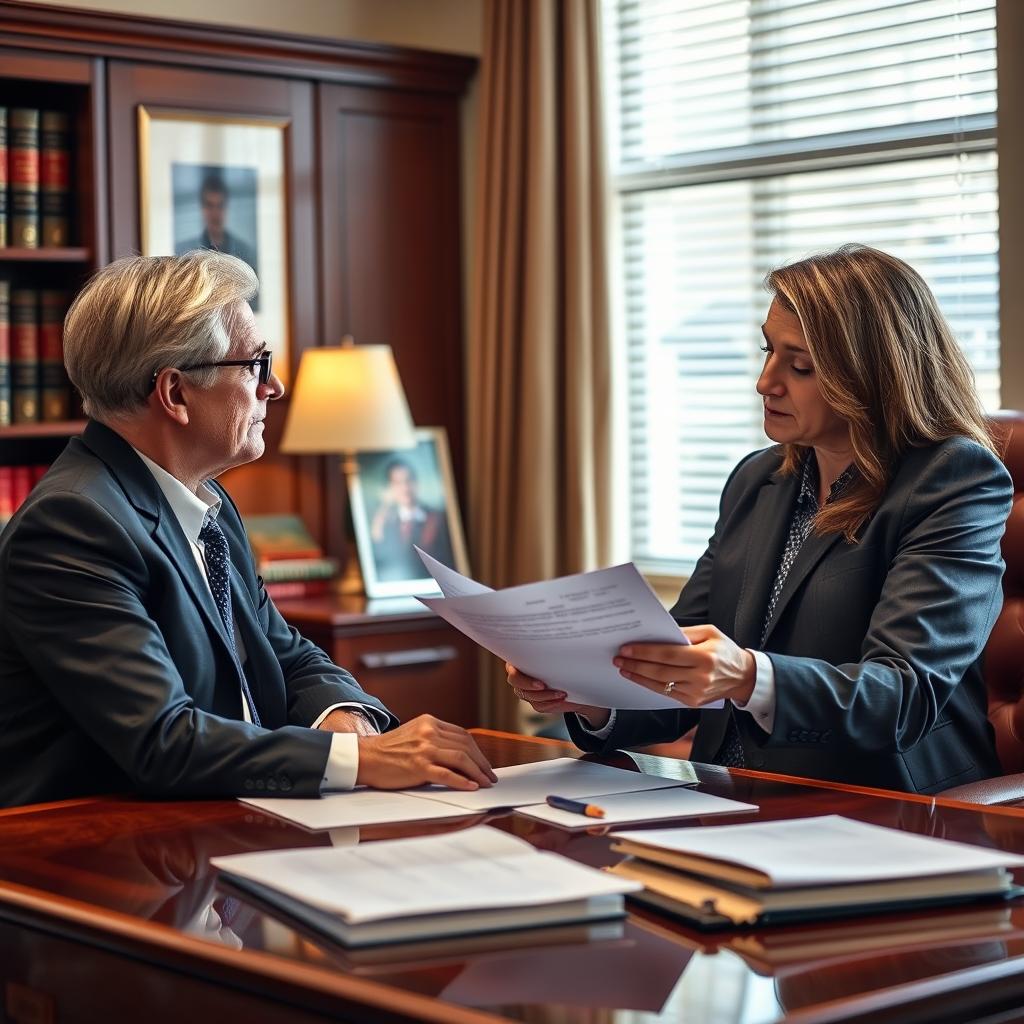
Adultery Divorce Lawyer Falls Church, VA
Discovering that a spouse has been unfaithful is a deeply painful experience. When you are facing the end of your marriage and live in Falls Church, Virginia, the road ahead may feel overwhelming. At Law Offices Of SRIS, P.C., we represent clients pursuing divorce on fault grounds, including adultery. Our team understands the emotional weight and the legal standards involved. Call (888) 437-7747 to schedule a confidential consultation.
Adultery as a Ground for Divorce in Virginia
Virginia law permits a spouse to file for divorce on the fault ground of adultery under Va. Code § 20-91(1). Unlike a no-fault divorce that requires a separation period of one year or six months with a signed agreement, an adultery-based divorce has no mandatory waiting period once the ground is proven. The spouse alleging adultery must present clear and convincing evidence — a higher standard than the “preponderance of the evidence” used in many civil matters — that voluntary sexual intercourse occurred with someone other than the spouse. Circumstantial evidence of opportunity and inclination can satisfy this standard, but mere suspicion is not enough.
We guide clients through gathering available evidence, preparing the complaint, and presenting the case. Because Fault grounds can directly affect property division, spousal support, and custody determinations, it is critical to have an experienced team evaluate whether an adultery filing is an appropriate approach for your situation. Mr. Sris and his Of Counsel team use their thorough understanding of Virginia family law to help you decide whether to proceed on fault grounds or to pursue a no-fault separation.
Filing an Adultery Divorce in Falls Church Circuit Court
All divorce matters in Falls Church are heard in the Falls Church Circuit Court, located at 300 Park Avenue, Suite 151W, Falls Church, VA 22046. The court has exclusive jurisdiction over divorce actions. To file in Virginia, one of the spouses must be and have been an actual bona fide resident and domiciliary of the Commonwealth for at least six months before the suit begins.
An adultery complaint must be filed with specific factual allegations. Virginia also requires at least one corroborating witness to testify in support of the adultery ground during an uncontested divorce hearing. The process may involve depositions, private investigators’ reports, or other documentation. We represent clients at every stage — from initial filing to final decree — and help navigate the evidentiary and procedural requirements unique to adultery cases.
How Adultery Can Affect Property Division and Spousal Support
While Virginia is an equitable distribution state and marital property is divided based on statutory factors, adultery can have a direct impact. Under Va. Code § 20-107.1, a spouse who is found to have committed adultery is barred from receiving spousal support unless the court finds that a denial would be a manifest injustice — a high bar that is rarely met. This means that if you are the innocent spouse, you may be awarded support and your spouse will likely be ineligible to receive it from you.
Adultery may also influence property division if evidence shows that the unfaithful spouse used marital assets to finance the affair — for example, paying for hotel stays, gifts, or travel. The court can consider such dissipation of assets when determining an equitable share. Adultery does not automatically disentitle the at-fault spouse to marital property, but the financial consequences can be significant.
About Mr. Sris and His Of Counsel Team
Mr. Sris, Owner and Founder of Law Offices Of SRIS, P.C., is a former prosecutor who has practiced since 1997 and is admitted in Virginia, Maryland, the District of Columbia, New Jersey, and New York. He testified before the Virginia House Courts of Justice Committee in support of 2019 HB 635 (chief patron Del. David Bulova). Mr. Sris works closely with a team of Of Counsel attorneys who bring decades of family law and litigation experience. Together, Mr. Sris and his Of Counsel bring over 120 years of combined legal experience. Results may vary. They have documented 4,739+ case results across all practice areas since 1997.
We treat every adultery divorce with the discretion and focus it demands. Our Fairfax location serves clients throughout Falls Church and the surrounding region. Contact us at (888) 437-7747 to schedule a consultation with a knowledgeable attorney who can explain your options.
Frequently Asked Questions
What is considered adultery under Virginia law?
Adultery is voluntary sexual intercourse between a married person and someone other than their spouse. Proof may be established through direct evidence, such as an admission, or through circumstantial evidence that shows both an opportunity and an inclination to commit adultery. The burden rests on the spouse who raises the allegation, and the evidence must be clear and convincing. A consultation with a Falls Church adultery divorce lawyer can help you understand the specific proof requirements in your case.
Can I file for divorce immediately if my spouse committed adultery?
Yes — there is no mandatory separation period when adultery is proven. If you have sufficient evidence, you can file a fault-based complaint in the Falls Church Circuit Court without waiting. The process, however, may take time depending on the court calendar and whether the case is contested. For guidance on your specific situation, reach Law Offices Of SRIS, P.C. at (888) 437-7747.
Does adultery affect child custody in Virginia?
Adultery itself does not automatically change custody; it is only one factor the court may consider. The court’s primary focus is the best interests of the child. If the adultery had a negative impact on the child or demonstrates a parent’s poor judgment, it could influence a custody determination. An experienced attorney can help you present relevant facts to the court.
What if I cannot prove adultery — can I still get divorced?
Absolutely. You can still obtain a no-fault divorce after the required separation period. If the evidence is insufficient to meet the clear-and-convincing standard for adultery, you may choose a no-fault ground: one year of separation, or six months of separation with a signed property settlement agreement and no minor children. To discuss the details of your matter, contact Law Offices Of SRIS, P.C. at (888) 437-7747.
How does adultery affect spousal support in Virginia?
A spouse who committed adultery is generally barred from receiving spousal support. Under Va. Code § 20-107.1, the court cannot award permanent or temporary support to the adulterous spouse unless denying it would create a manifest injustice, which is rarely found. This can be a powerful factor in negotiating a settlement. For a consultation, reach Mr. Sris and his Of Counsel at (888) 437-7747.
Are there any criminal consequences for adultery in Virginia?
Adultery is a Class 4 misdemeanor in Virginia, but prosecutions are extremely rare. The more meaningful legal consequences arise in the divorce proceeding — affecting spousal support, property division, and the timing of the divorce itself. Our focus is on protecting your interests in the family law case.
Related family law pages:
Family Lawyer Fairfax County ·
Family Lawyer Fairfax City ·
Family Lawyer Prince William County
For a full statutory breakdown of Virginia divorce grounds, see our comprehensive analysis at srislawyer.com. Official resources include: Virginia Code Title 20 (Domestic Relations) and Virginia Circuit Courts.
Fairfax Location — 4008 Williamsburg Court, Fairfax, VA 22032 | (703) 636-5417
By appointment. Call (888) 437-7747 to schedule.
Attorney advertising. Prior results do not guarantee a similar outcome. Case results depend on a variety of factors unique to each case. Results may vary.